

…for body, mind and heart!



[1] Schillinger, W., Hasenfuss, G. (2009) Angina Pectoris. Encyclopedia of Molecular Mechanisms of Disease, pp.90-91. Available from: http://link.springer.com/referenceworkentry/10.1007%2F978-3-540-29676-8_108. [4th May 2015].
[2] Angina Pectoris (1994-2015). Available from: http://emedicine.medscape.com/article/150215-overview . [4th May 2015].
[3] Warnica, J.W. (2015) Angina Pectoris. Merck Manuals. Available from: http://www.merckmanuals.com/professional/cardiovascular-disorders/coronary-artery-disease/angina-pectoris. [4th May 2015].
[4] Bhowmik, D., Das, B.C, Dutta, A.S. & Sampath Kumar, K.P. (2011) Angina Pectoris – a comprehensive review of clinical features, differential diagnosis, and remedies, Elixir Pharmacy, 40, pp.5125-5130. Available from: from elixirpublishers.com . [4th May 2015].
[5] Mayo Clinic Staff (1998-2015) Myocardial Ischemia. Mayo Clinic. Available at: http://www.mayoclinic.org/diseases-conditions/myocardial-ischemia/basics/causes/con-20035096 . [4th May 2015].
[6] Bruce Fye, W. (1986) Nitroglycerin: a homeopathic remedy Circulation, Vol. 73, 1, pp.21-29. Available from : circ.ahajournals.org/content/73/1/21.full.pdf [4th May 2015].
[7] Bruce Fye, W. (1994) William Murrell Clin. Cardiol., 18, pp. 426-427. Available from: http://onlinelibrary.wiley.com/doi/10.1002/clc.4960180714/pdf [4th May 2015].
[8] Murrell, W. (1882) Nitro-glycerine as a remedy for angina pectoris, H.K. Lewis, London.
[9] Murrell, W. (1879) Nitroglycerine as a remedy for angina pectoris. Lancet, 1:80-1, 113. Available from: http://site.hmc.org.qa/heartviews/vol8no3/PDF/HISTORYOFMEDICINE2.pdf. [4th May 2015].
[10] Boericke, W. (1999) Homeopathic Materia Medica. Available at: http://www.homeoint.org/books/boericmm/g/glon.htm . [4th May 2015].
[11] Hering, C. (2002) The guiding symptoms of our materia medica. Available at: http://www.homeoint.org/hering/g/glon-kn3.htm . [4th May 2015].
[12] Kent, J.T. (2000) Lectures on homeopathic materia medica. Available at: http://homeoint.org/books3/kentmm/glon.htm. [4th May 2015].
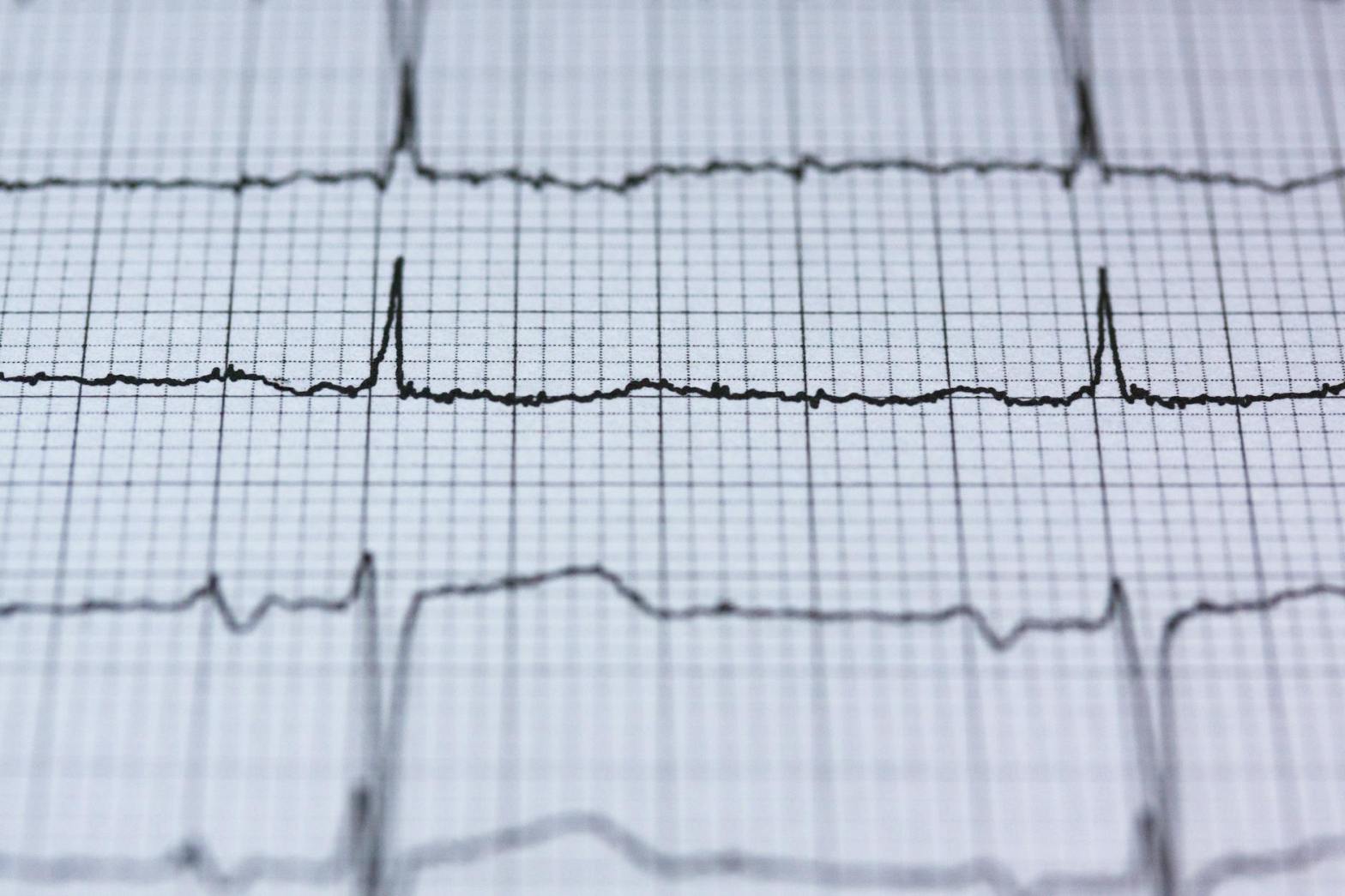

Iberis amara is a homeopathic remedy with major characteristic symptom expressions that make it specific for particular affections of the heart. It affects the muscle of the heart, the coronary arteries, the conduction system of the heart and the peripheral circulation. As such Iberis is indicated for cardiac and coronary insufficiency, arrhythmia (tachycardia), angina pectoris, hypertrophy, myocarditis and endocarditis.
The particular heart symptomatology includes palpitation that is instigated by the slightest of physical exertion. Closing a window, coughing, laughing, or turning over in bed may suffice to produce accelerated, irregular beating of the heart. During this episode the individual may experience the sensation of dull heaviness and dragging pressure in the region of the heart, and marked shooting, darting pains that are experienced as stabbing or stitching. These symptoms promote great anxiety in the patient and may cause associated feelings of fear and nervousness. There may be marked coldness of hands and feet, while the face may be flushed with a sensation of fullness about the head and neck. Cold sweat may develop on the face. The patient desires to sigh or draw long breaths.
The heart beats faster and stronger and the actual pulsation is visible over the cardia-thoracic area. The pulse is erratic or intermittent, tremulous and not well-defined while being full and strong. The hearts action may at first be weak and is then succeeded by an increased full and strong, irregular pulse rate of +/- 100.
Concomitant to the cardiac symptoms there may be anxiety, increased salivation, dyspnea, and shortness of breath, the feeling of constriction and oppression, as well as vertigo. The patient may experience persistent eructation and bloating with an increased frequency of passing soft stool from the ingestion of food and there may be associated digestive weakness. A choking sensation may be felt in the dry throat and there may be the feeling of pressure and pain in the region of the liver. Soreness, lameness and trembling may be felt in the extremities, particular in the upper left arm and hand.
The patient feels worse for turning or lying on the left side, at night or upon rising in the morning. Altering the resting position or placing a hand on the chest above the heart does not ameliorate symptoms.
Following such an ‘attack’ there may be an increased urge to urinate only scanty quantities, and the patient may feel a general soreness and lameness throughout the body.
An interesting aspect of the therapeutic picture of Iberis amara is its association with gastro-intestinal issues. While this is not an integral part of the homeopathic remedy picture, it is so of the Materia Medica as a phyto-therapeutic agent. Iberis has been found to have antispasmodic, anti-inflammatory, anti-flatulent and calming properties, which it exerts on the mucous membranes of the digestive tract. As such it has found inclusion in herbal complex preparations aimed at treating an irritable stomach, functional dyspepsia or the colon irritable, the syndrome known as IBS, and ailments of the digestive tract associated with abdominal discomforts such as cramping and pain, motility disruption, diarrhea or obstipation. One such complex preparation is ‘Iberogast’, which in some countries is known by the name ‘STW 5’, and contains a combination of 9 different herbs. Research however has come to conclude that it is in particular the combination of the 9 herbs together that promote the efficacy of the complex. Iberis amara alone has not been found effective for the above mentioned gastro-intestinal issues.
References:
Allen, T. (1877) The Encyclopedia of pure Materia Medica . Internet Archive [Online]. Available at: https://archive.org (Accessed: April 2017).
Boericke, W. (2004) Pocket manual of homeopathic materia medica and repertory New Delhi: B.Jain publishers Ltd.
Clarke, J. (1994) A Dictionary of practical materia medica New Delhi: B.Jain publishers Ltd.
DHU (1994) Homöopathisches Repetitorium Karlsruhe: Deutsche Homöopathie Union.
Hale, E. (1897) Materia Medica and special therapeutics of the new remedies. Internet Archive [Online]. Available at: https://archive.org (Accessed: April 2017).
Hering, C. (1879) The guiding symptoms of our Materia Medica. Internet Archive [Online]. Available at: https://archive.org (Accessed: April 2017).
Madisch, A., Holtmann, G., Plein, K. & Hotz, J. (2004) ‘Treatment of irritable bowel syndrome with herbal preparations: results of a double-blind, randomized, placebo-controlled, multi-centre trial’, Aliment. Pharmacol. Ther., 19(), pp. 271-279 [Online]. Available at: doi:10.1111/j.1365-2036.2004.01859.x (Accessed: April 2017).
No name (1997) ‘Expertengespräch anläßlich der 51. Tagung der Deutschen Gesellschaft für Verdauungs- und Stoffwechselerkrankungen mit Sektion für Gastroenterologische Endoskopie’, Aerztezeitschrift für Naturheilverfahren, 38(2), pp. 146-149.
Rahimi, R. & Abdollahi, M. (2012) ‘Herbal medicines for the management of irritable bowel syndrome: A comprehensive review’, World Journal of Gastroenterology, 18(7), pp. 589-600.

 Gentle Help