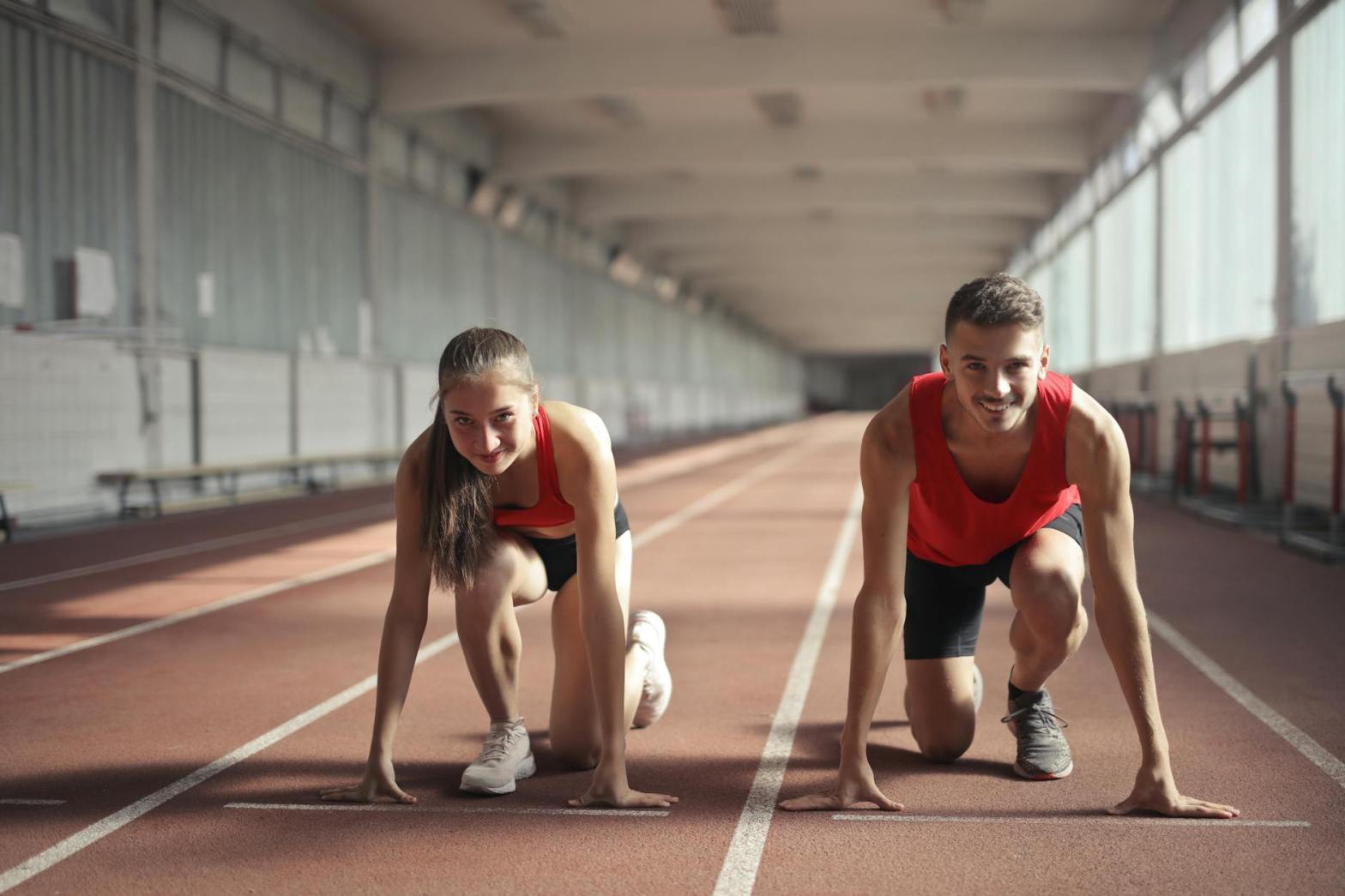
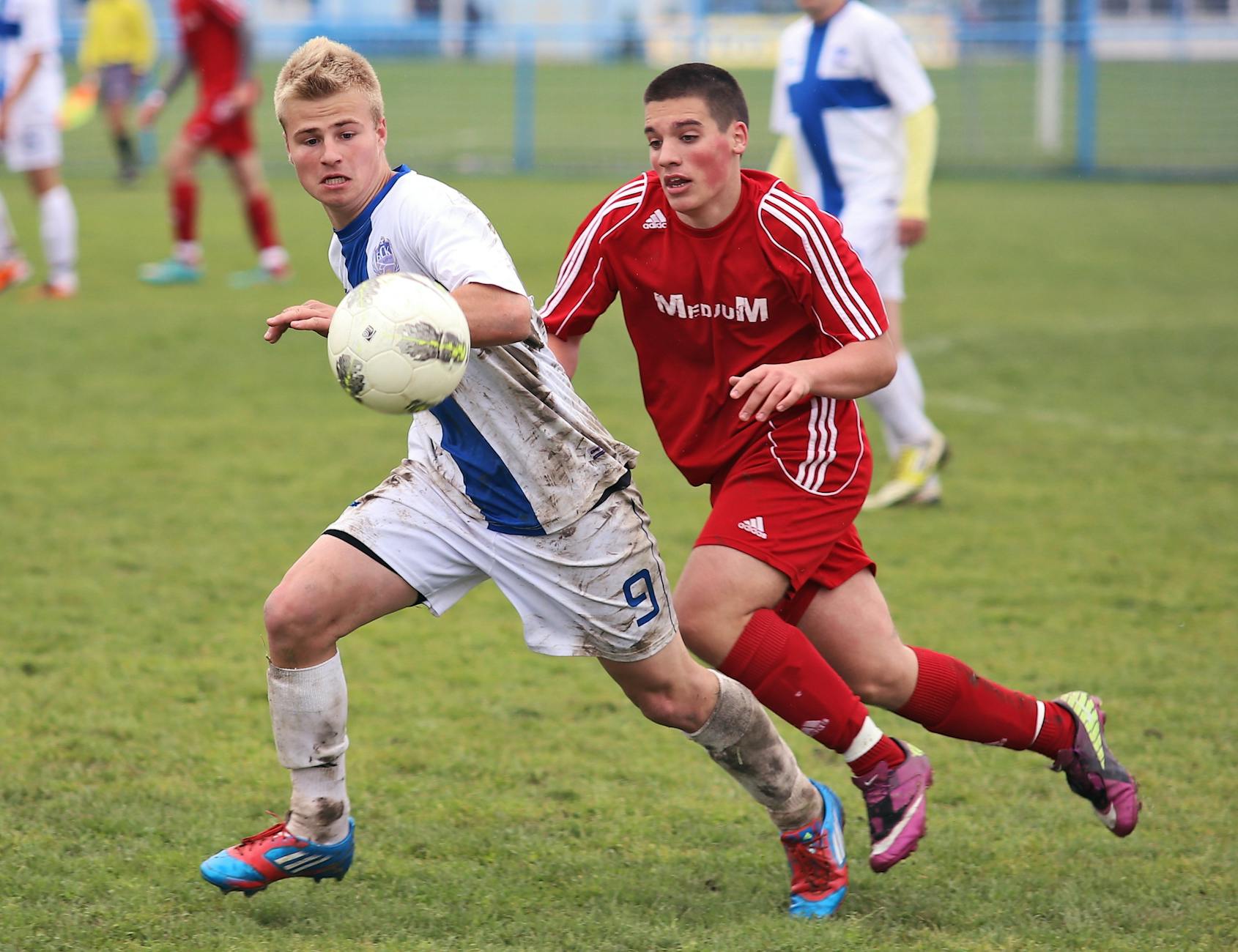
Despite the prevailing criticism towards homeopathy, and much to the dismay of sceptics, advocacy for homeopathic treatment comes from an unexpected domain. Within the mother of all male sports disciplines – football – homeopathic treatment is becoming increasingly popular. Especially in Germany there is an extensive use of homeopathy in professional football. A survey conducted in 2008 among the football teams of the 1st and 2nd division of the Bundesliga (professional association football league in Germany), produced surprising results: 92% of the teams treat their players homeopathically (Meyer, 2008). This is an astonishing statement considering the persistent opposition that homeopathy is regularly subjected to. Yet it is not surprising why and how homeopathy can lend itself well to the treatment of the active sports man or woman.

Avoiding injury & boosting performance
In professional sport, the timetable of tournaments dictates the athletes’ duration of recovery from injury while, at the same time, team-coach and club-managers demand the onset of peak performance at every match or competition (Schmaranzer, 2009). Homeopathy, as a therapeutic approach without side effects and lacking the doping restrictions that bind conventional treatment (Yarrow and Strauder, 2008), is therefore becoming increasingly more important. In a world where sport has become a financially potent business, an athlete’s physique, aptitude and general health may be a monetary factor, and the athlete needs to be closely monitored in terms of prevention, performance and recuperation.
The few studies and trials into the homeopathic treatment of sports injuries have investigated the efficacy of homeopathic remedies for the diverse injuries that may be contracted during physical exercise. These have concentrated on single remedies such as Arnica and Rhus toxicodendron, or the complex preparation Traumeel (Mittelstadt, 2009).
Is Homeopathy – a legal form of doping?
It is interesting that little if any attention, in clinical research or literature, has been paid to the use of homeopathic prescribing for the purpose of enhancing performance, despite this being a major objective in professional athletics and sports where players are continuously driven to peak at their performances. Conventional approaches to treating the professional athlete are affected by doping legislation and the practice of fair play. Therefore, surely, new alternative methods devoid of restriction to promote athlete efficiency would appear of interest.
According to the world anti-doping agency (WADA), the concern is not that homeopathic remedies might breach doping regulations, as the concentration of active substance is so small, but rather the lack of labelling of the carrier ingredients and of the chemical composition of the active components of the remedy that may concern the doping authorities (www.wada-ama.org). Furthermore the question arises whether a homeopathic remedy that contains traces of substances listed as prohibited by the doping associations is still forbidden, even in the form of a homeopathic prescription (Schmaranzer, 2009).
HEEL, the manufacturer of the complex remedy Traumeel, which is indicated for joint and tissue inflammation and traumas, has had its preparations tested by an independent toxicological institute for compatibility with doping legislation. The institute concluded that HEEL formulations do not breach doping regulations as their products are made with homeopathic remedies of the potency 6X or higher, and these potencies are not effective in generating a doping effect (www.traumeel.com).
Advocates of homeopathic performance enhancement view this potential of homeopathic remedies as a means of unleashing athletes’ most inner strengths, permitting them to use their capacities to a fuller extent (Laubender, 2005). An appropriately selected homeopathic remedy may remove constitutional frailty and may harmonise the mind. Performance enhancement, therefore, may mean ‘regulation and optimisation of physical functions and disengagement from mental disturbances’ which means homeopathy could be seen as a legal form of doping (Laubender, 2005).
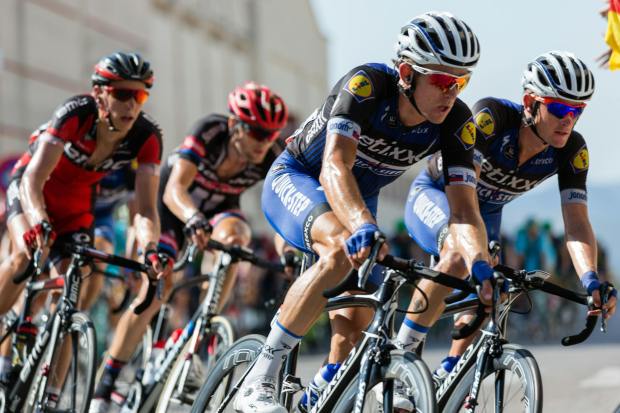
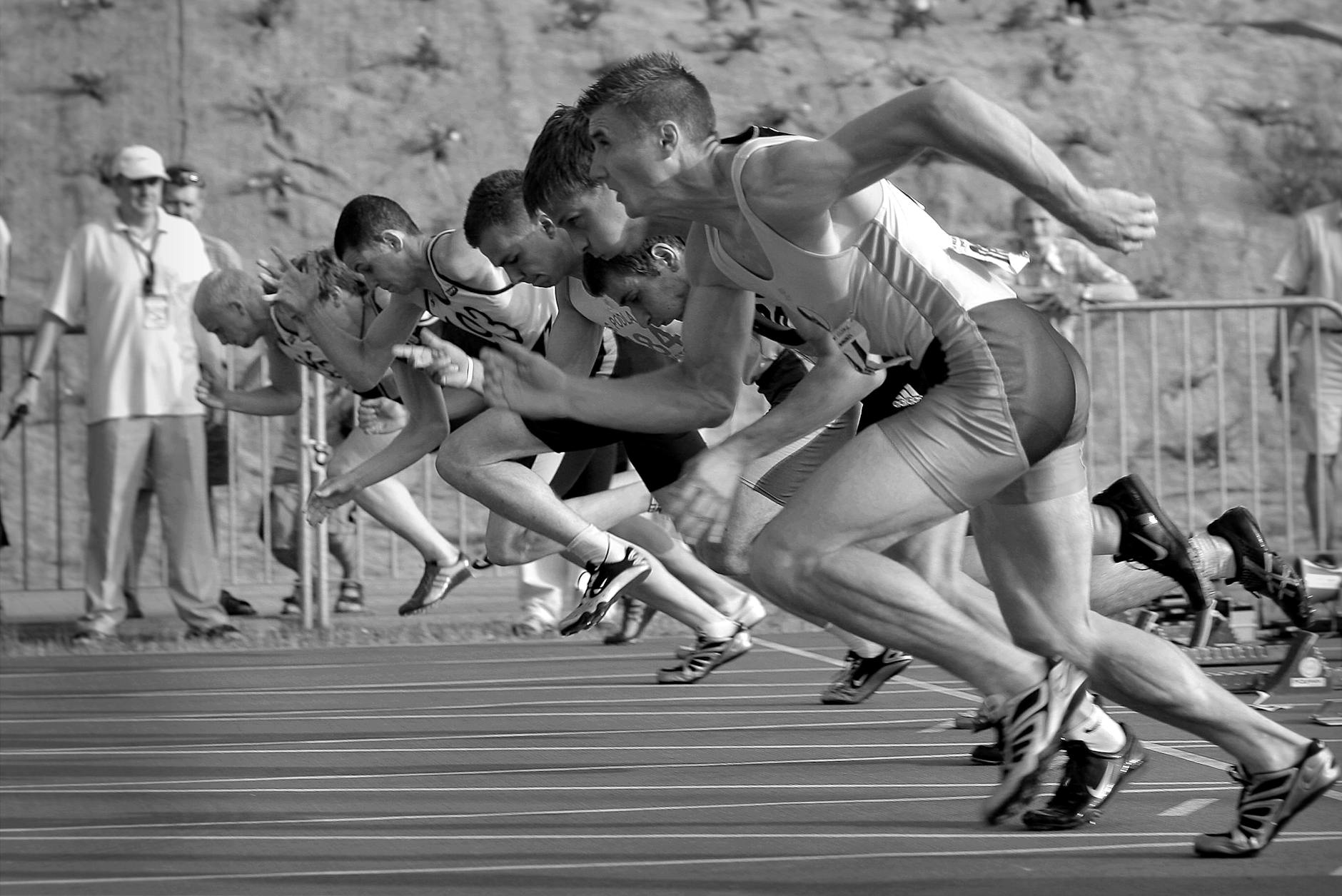
Can Homeopathy be used as prophylaxis?
Clinical research into homeopathy has primarily investigated the efficacy of highly diluted and succussed remedies as tools in the aid to recovery. Very little research has been conducted investigating the effectiveness of a homeopathic prescription with the aim of ameliorating the performance of the athlete or of preventing a possible injury or illness through future physical exercise (Mittelstadt, 2010).
Two fundamental aspects of homeopathy may account for this lack of research into homeopathy’s efficacy as an enhancing or prophylactic agent. Employing homeopathic remedies for these purposes largely digresses from the doctrine of classical homeopathic treatment. In fact it opposes the homeopathic principle of individualisation and instead promotes a generalised prescribing. In aphorism #82 of the Organon (Hahnemann, 1974), Hahnemann teaches us that the patients’ individuality is of prime importance in the identification of a remedy that is aimed at healing the patient rapidly, gently and permanently (aphorism #2). Yet to administer a remedy in the absence of disease symptoms, and to give this remedy in a generalised ‘one size fits all’ manner, without taking into account patient specific aspects, contradicts homeopathy and reflects an allopathic approach to prescribing (http://nationalcenterforhomeopathy.org).
Although this is a controversial issue, it has been proven that homeopathic remedies may act beneficially, even if a selected remedy is given prophylactically to numerous healthy individuals in the absence of disease symptoms. Aphorism #102 on genus epidemicus provides us with a possible justification for prophylactic prescribing.
Studies and trials on the homeopathic prevention of injuries are scarce. Most information on prophylactic homeopathic prescribing is experiential and anecdotal and largely not associated to sports. Only one study was found that investigated the efficacy of the preventative action of homeopathic remedies for sports related injuries. Sao and Delaunay (1983) conducted a study with the aid of a Karate team. They split the team into treatment and placebo group, neither of which knew if they were taking the remedy or the placebo. The treatment group was given Arnica and China for ten days preceding a sports contest. On the eve of the contest the members of the treatment group received an individually selected remedy following a classical homeopathic case-taking. The study results showed that the treatment group had improved adaptation reactions, superior physical recuperation, and subjective symptoms were considered better than those of the control group. Whilst this is a study conducted with very few participants, as there were only 20 members in the team, the results may provide the grounds for further investigation into the preventative actions of homeopathic remedies.
With regard to the homeopathic complex formula Traumeel a consensus – recommendation of leading sports physicians to multiple German national and league teams of diverse sports and athletic disciplines – suggests that Traumeel is an effective prophylaxis for durable sports activities that have a high burden on muscles and joints of the athletes (Steinbach-talk III, 2007). This complex preparation has in clinical trials been found to equal conventional NSAIDs in its efficacy for sports injuries and trauma (Birnesser H, Oberbaum M, Klein, P & Weiser M, 2004; Schneider C, Klein P, Stolt P & Oberbaum M, 2005; Schneider C, Schneider B, Hanisch J & van Haselen R, 2007), and has proven to be of greater patient tolerability than the conventional products (Schneider C, Schneider B, Hanisch J & van Haselen R, 2007).
As suggested above, the use of homeopathic prescribing for prophylactic purposes has been practised for some time in the prevention of illnesses other than those linked to physical exertion. Prescribing for other ailments, diseases and infections may also be of relevance to sportsmen and woman. The highly trained physique of the professional athlete who is subject to strenuous exercise and peak performances in a very costly business may become a monetary loss in times of sickness. Therefore, preventative prophylaxis for flu, cold and other infections is of high priority to clubs, their managers and team coaches. It is not just the absence of a player from actual games that may cost dearly if a match is lost, but also the consequence of missed training and loss of achieved performance levels that subsequently need to be regained. Homeopathic prescribing for the prevention of illness may indeed play a major role.
Can performance be improved with homeopathic remedies?
One would have imagined that performance improvement is a major benefit of any approach such as homeopathy in the treatment of injuries. Yet, only one study has been found that investigated homeopathy and its efficacy on performance enhancement. The study by Barrois (1988), a randomised placebo controlled trial with 21 athletes, investigated the oxygen consumption of participants at a sports camp. Absorption of oxygen is directly proportional to the extent of physical exertion. The participants of the treatment group received homeopathic treatment for seven days. Placebo and treatment group had their maximum oxygen volume measured on day one and day seven. The homeopathic treatment consisted of a prescription of Arnica given daily before and following physical exercise; China was given once every two days and Natrium muriaticum was given in alternation with the remedy China once every two days. The result showed that in the placebo group there was no significant change, while in the treatment group there was a very significant improvement in oxygen volume consumed. Barrois (1988) concluded that upon completion of the trial the treatment and placebo group were two very different groups. He reasoned that a simple, not individualised, homeopathic treatment could significantly modify, in a much shorter time than would normally be required, the physiological characteristics of athletes. The subjective parameters that had been monitored were also reported to have improved. Athletes were less tired and concluded that they were less affected by muscular troubles; they also felt they could recuperate better from exercise. There have been no recent trials or studies that confirm Barrois’s results.
Another account of the enhancement of performance in sports with
homeopathic remedies is reported by Kayne (1992) who refers to
Arsenicum album, tissue salts and trace elements having been
administered to a boxing team. Apparently the team succeeded at
subsequent contests following the regular ingestion of homeopathic
remedies. Kayne further mentions the remedies Vanadium, Ferrum
metallicum and Cobalt for the promotion of neural
responses. Kayne’s description is vague and he states no research
in support of this report.
Materia medica
The above trials and reports gave only examples of different remedies without giving indications as to why the selected remedies may be applicable as a means of preventative prescribing or promoting fitness. Below is a short summary of the sports-related correlation of symptoms to remedies as found in materia medica and literature.
Traumeel
‘Traumeel‘ has been used to aid recovery from sprains, strains, bruises, nerve pain, swelling, and post-surgical pain’, it is able to remove inflammation by producing an anti-inflammatory effect and is devoid of the adverse effects of conventional medicines for similar situations (www.traumeel.com).
Arnica
Arnica is the first remedy for trauma injuries and their consequences. The pain in extremities and body is as if beaten and bruised, and in the joints as if sprained. There is pain from overstraining (Boericke, 2000). There is muscular weakness in the neck, the back feels raw. In the upper extremities there may be the sensation of pins and needles. In particular in the knee there may be tenseness and strain, soreness and swelling. Pain is worse for motion (Clarke, 1994).
China
This remedy is indicated for all sorts of weaknesses but especially for those coming from the loss of body liquids. In sports this is most likely related to sweating. Exhaustion may be accompanied by headaches, pallor, faintness and extreme sweating. Pain is felt most in the extremities and joints, with a sensation as if there were spraining. Soft touch aggravates and firm pressure ameliorates. There is swelling and weakness in the joints (Boericke, 2000).
Natrum muriaticum
Fatigue and frailty according to Boericke (2000) are aspects of this remedy. Backache is ameliorated by firm pressure. There is weakness in the extremities that is particularly felt in the knees and ankles. Tension and stiffness of head and neck, shooting and tearing in the upper extremities with the feeling of pins and needles and prickling are part of this remedy according to Clarke (1994). Hips, thighs, knees, legs, calves, feet may all be affected by pains and spasms (Clarke, 1994).
Arsenicum album
There is ‘violent and burning pain in the back, powerfully aggravated by touch’ (Clarke, 1994). The pain may be cutting and may also be experienced between the shoulder blades; lying down ameliorates. Boericke (2000) states that pains are burning, and little strain leads to great prostration. There may be cramping and swelling, feebleness and heaviness in the extremities.
Vanadium
Boericke describes the actions of Vanadium as such: “Its action is that of an oxygen carrier and a catalyser, hence its use in wasting diseases. It increases the amount of haemoglobin, also combines its oxygen with toxins and destroys their virulence. It also increases and stimulates phagocytes” [18] (n.p.). In Clarks´ Dictionary of Practical Materia Medica [19],
Vanadium is termed “an energetic excitant of nutrition” with an “oxidant stimulating organic combustion” (p.1502).
Ferrum metallicum
Ferrum has stiffness of muscles that becomes ameliorated through slow movement. It is frequently indicated in pains of the heels and soles, the tibia and hip-joint [18]. The shoulder may be particularly affected with shooting pains and cracking in the shoulder and heaviness and weakness in the arms. The arms may have tearing and stinging at night. There may be feebleness in thighs and knees. The feet, joints and knees may have swelling and there may be spasms in the lower extremities, even in the soles and toes [19].
Cobaltum
In Clark [19], Cobalt is indicated for the characteristic symptom of “very pronounced backache” (p. 537), pain in the lumbar area, small of back and between the shoulders that is better for movement and reclining, and worse for sitting. There are stitching pains in the upper limbs; the wrist-joints in particular are involved. There is a bruised sensation in all limbs. Trembling and tingling may be perceived in the lower limbs, possibly accompanied by hot flushes along the legs, and the knees may be subject to excessive feebleness.
Our materia medicas have many more remedies for the prophylactic treatment of sports injuries or for the enhancement of performance. In particular, from reports on practical experience, we know that the number of remedies that offer relief and recuperation of injuries acquired through physical exercise or exertion has grown well beyond the few types that have been subject to clinical trials and studies. The above trials and reports on preventative prescribing and the promotion of fitness are too few to be able to make definite statements on efficacy and application of prophylactic or enhancement prescribing. More research and experiential accounts from homeopathic practice are needed.
Taking into account individualised characteristics of each patient is, as becomes evident by the approach to prophylactic prescribing, not always a prerequisite for a homeopathic prescription. This fact enables a broader spectrum application which allows for generalised, non-individualised, remedy selection and prescribing.
For the health conscious sportsman or woman, professional or lay athlete, sports related injuries can, like many other ailments, be treated with this gentle alternative approach, and are in fact becoming increasingly important in the quest to find a means of avoiding illness and of boosting fitness. In particular, in the professional field this is an already long established practice, as shown in the 2008 survey (Meyer, 2008).
The conventional approach to health care is one that is not without flaws. The side effects to medication and the restriction by doping legislation confine the use of allopathic treatment. Homeopathy is therefore a valuable adjunct in the treatment of athletes.
World Anti-Doping Agency (WADA)
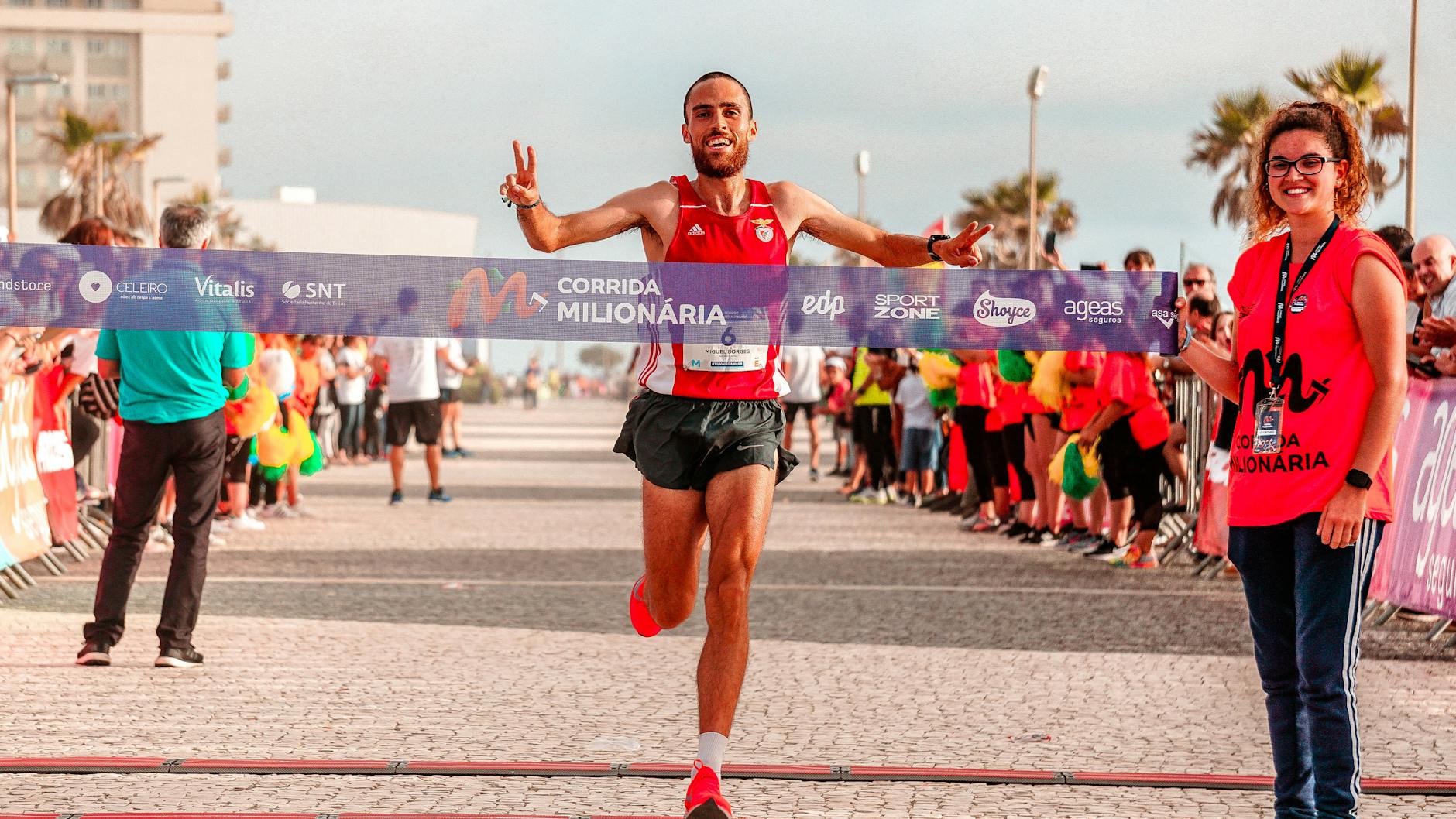
The World Anti-Doping Agency’s (WADA) mission is to lead a collaborative worldwide campaign for doping-free sport.
WADA was established in 1999 as an international independent agency composed and funded equally by the sport movement and governments of the world. Its key activities include scientific research, education, development of anti-doping capacities, and monitoring of the World Anti Doping Code (Code) – the document harmonizing anti-doping policies in all sports and all countries. WADA is a Swiss private law Foundation. Its seat is in Lausanne, Switzerland, and its headquarters are in Montreal, Canada.
WADA works towards a vision of a world where all athletes compete in a doping-free sporting environment. (http://www.wada-ama.org/)
References
Hahnemann S (1974) Organon der Heilkunst (2. Auflage) 6B Heidelberg: Karl F Haug Verlag.
Laubender (2005) Aktuell im Gespräch … mit Dr. med. Dr. med.dent. Eberhard Laubender über Homöopathie für Sportleraccessed 20 March 2010 at http://www.dzvhae.com
Meyer D (2008) EM-Profis setzen auf sanfte Medizin accessed 13 August 2009 at http://www.spiegel.de
Mittelstadt U (2010) The homeopathic treatment of sports-injuries accessed 03 May 2012 at http://hpathy.com
NCH (2006) Homeopathic Prophylaxis: Fact or Fiction accessed 03 May 2012 at http://nationalcenterforhomeopathy.org
Schmaranzer I (2009) Homöopathie im Sport accessed 20 March 2010 at http://www.apoverlag.at
Yarrow A & Strauder D (2008) The Benefits of Homeopathy in Sports Medicine accessed 03 November 2009 at http://www.irishhomeopaths.com
WADA (2012) What about homeopathic products and alternative medicine? accessed 03 May 2012 at http://www.wada-ama.org
Sao V & Delaunay M (1983) ‘Médicine douce et sport dur: Un mariage heureux’ Homéopathie française, Vol.71
Steinbach-talk III (2007) Therapieempfehlungen aus der Sportmedizin accessed 03 May 2012 at http://www.schuster-pr.de
Birnesser H, Oberbaum M, Klein P & Weiser . (2004) The homeopathic preparation Traumeel S compared with NSAIDs for symptomatic treatment of epicondylitis accessed 17 January 2010 at http://www.helhetsmedisin.net
Schneider C, Klein P, Stolt P & Oberbaum M (2005) ‘A homeopathic ointment preparation compared with 1% diclofenac gel for acute symptomatic treatment of tendinopathy’ Explore Vol.1, No.6, article from Elsevier, accessed 08 November 2009 at http://sciencedirect.com
Schneider C, Schneider B, Hanisch J & van Haselen R (2007) ‘The role of a homeopathic preparation compared with conventional therapy in the treatment of injuries: An observational cohort study’ Complementary Therapies in MedicineVol.16, article from Elsevier, accessed 08 November 2009 at http://sciencedirect.com
Barrois D (1988) ‘Entraînement du sportif en homéopathie’ Homéopathie française, Vol.76 No.6
Kayne S (1992) ‘Homeopathy in sports medicine’ British Homoeopathic Journal, Vol. 81,
Traumeel (2012) Mechanism of action of Traumeel on the inflammation process accessed 03 May 2012 at http://www.traumeel.com
Traumeel (2012) Traumeel: a natural medicine free of doping concerns accessed 03 May 2012 at http://www.traumeel.com
Boericke W (2000) Homeopathic materia medica last accessed 03 May 2012 at http://www.homeoint.org
Clarke J (1994) A dictionary of practical materia medica New Delhi: B.Jain Publishers Pvt. Ltd.
This article was first published: HIP Summer 2012





 Gentle Help
