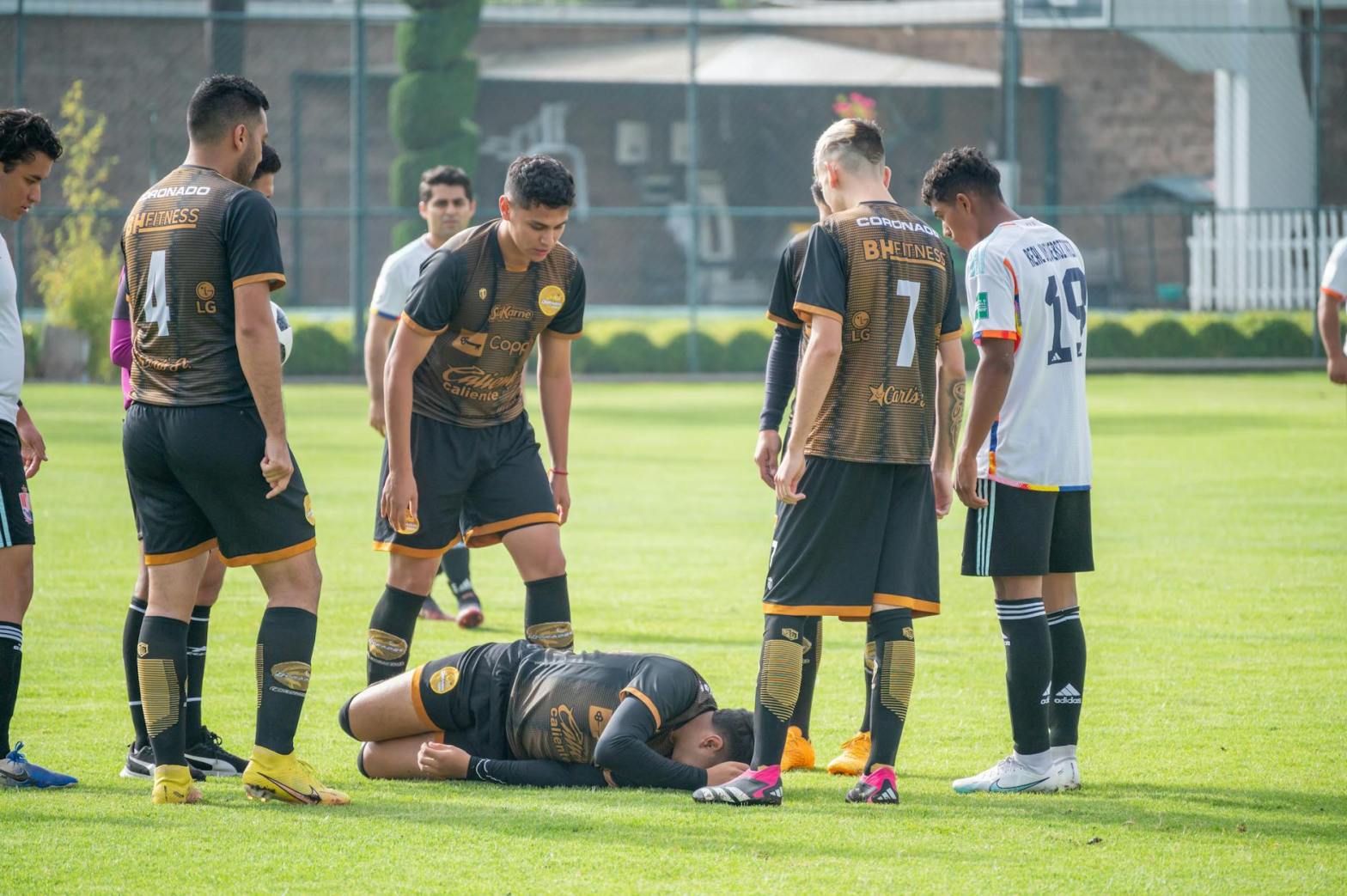
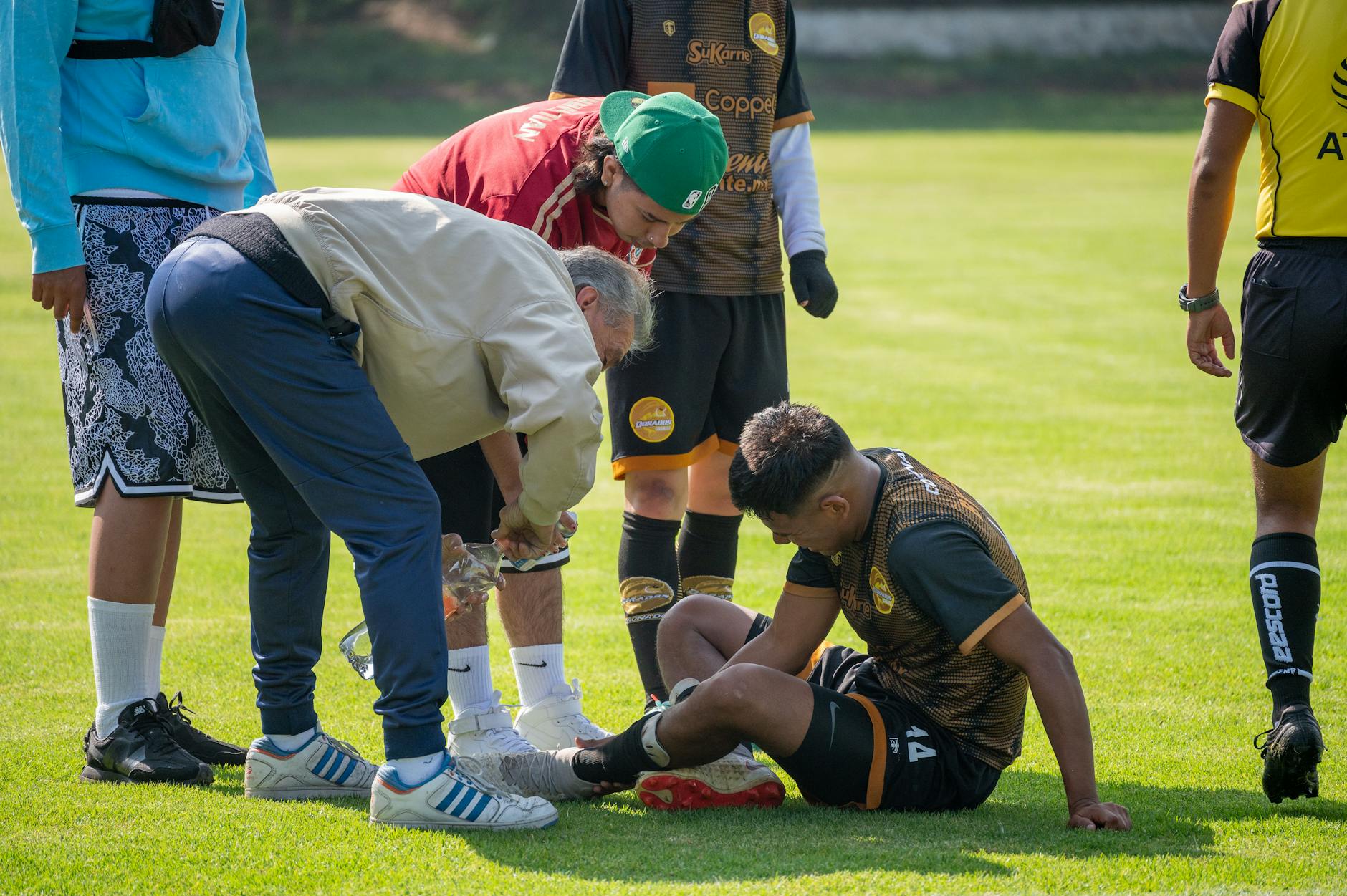
Sports injuries are injuries that result from acute trauma or repetitive stress associated with athletic activities[1]. The dissertation is a review of research trials and studies investigating the homeopathic treatment of sports-injuries.
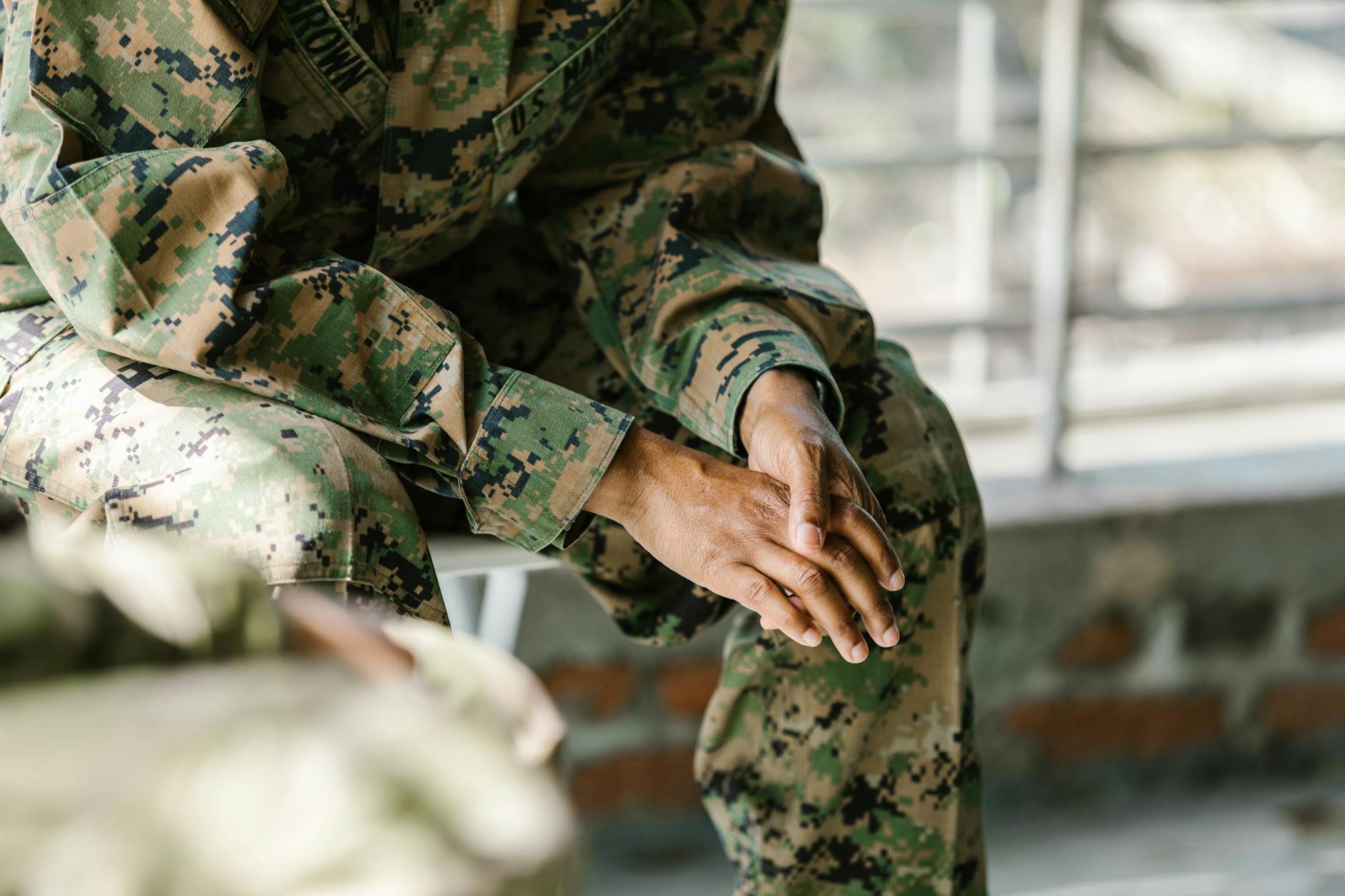
Combat related health issues are concerns that cannot and should not be ignored. While these are not complaints that only servicemen and women are ‘confronted with’, when returning home from deployment, they are also not always injuries to the physical body of the combat personnel. Many servicemen and women bringing home non-visual injuries.
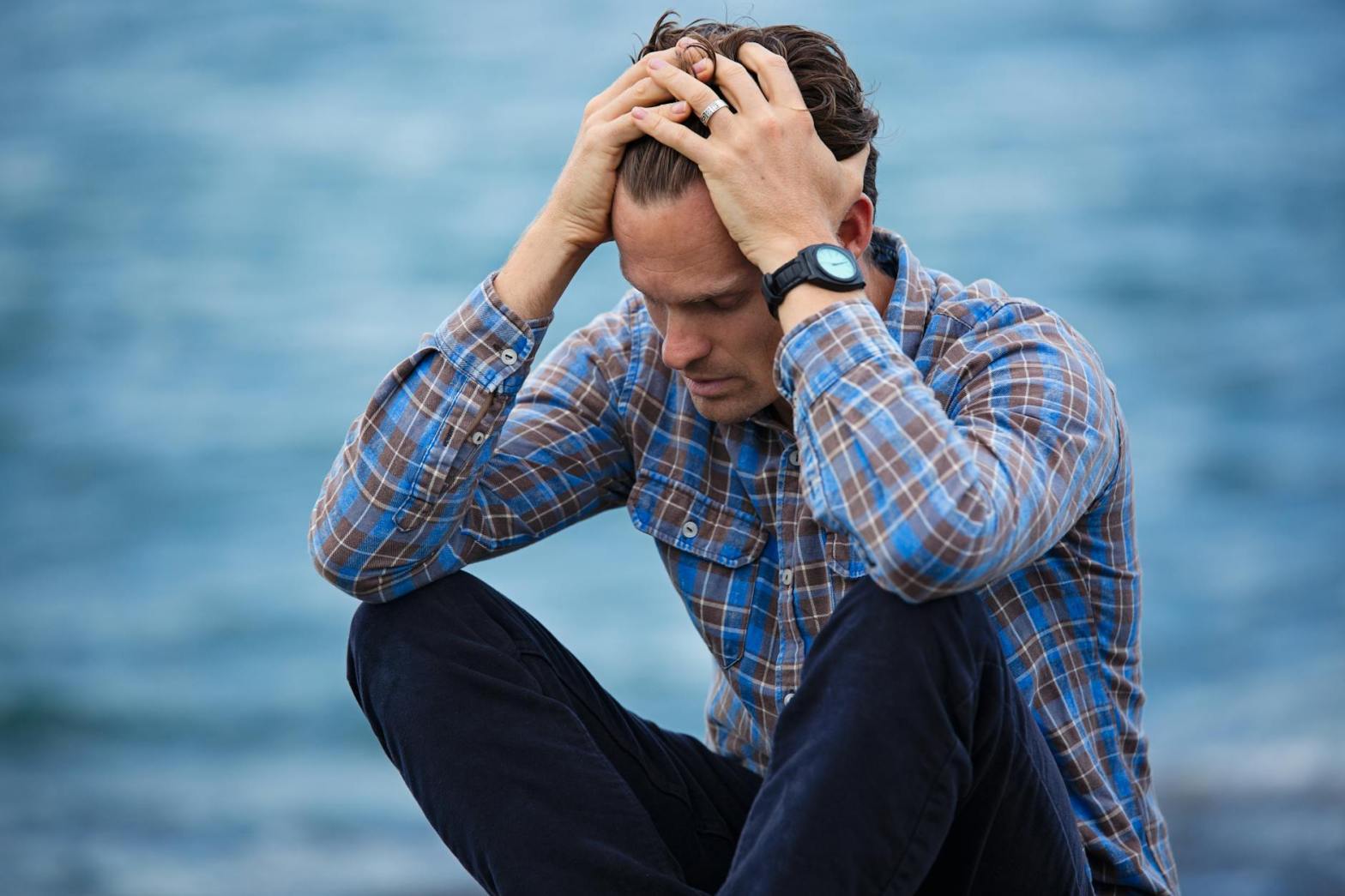
Mental injuries and trauma are frequently ignored, by the sufferer, the care-provider and the society that army personnel returns to when coming home. Very often these complaints are also misinterpreted. Yet health issues such as anxiety and trauma disorders are increasingly becoming more prevalent. To date these complaints are insufficiently acknowledged, managed and treated.
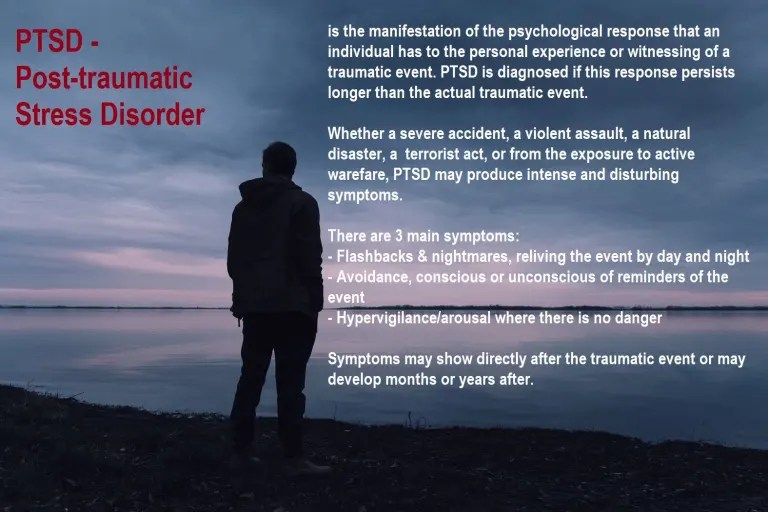
PTSD, post-traumatic-stress-disorder, is the trauma issue that may evolve from the exposure to experiences of warfare, combat or terror. PTSD was first exhibited in Vietnam -War – veterans, but was only acknowledged and classified by the American Psychiatric Association as a mental disorder in 1980. Increasing numbers of military personnel exhibit symptoms associated with their experiences during deployment to war zones and engagement during battle.
These are not occasional states of anxiety, but mental conditions defined by distress that prevents people from living a normal life. Characteristic for these types of anxiety and trauma disorders are persistent, overwhelming states of worry and fear. These phases can be disabling, and may appear unmanageable. Panic, phobias, compulsion, and depression may combine, leaving the individual unable to lead a normal life.
Conventional medicine uses medicinal and psychoanalytical approaches to assist individuals suffering of PTSD. However, ever increasingly holistic and complementary therapies are being used by patients to alleviate the symptoms of trauma syndromes. There is little research into the effects of CAM (complementary and alternative medicine) treatments for PTSD, but experiential reports offer promising testimonials of effectiveness.
The CAM therapies are holistic therapeutic approaches that consider the totality of patients, taking into account the physical, mental and emotional plane of patients, thereby achieving amelioration, and recovery of the individual as a whole.
Homeopathy has to date been little investigated for its efficacy in the treatment of PTSD. However, states of anxiety, depression, panic, trauma, fear, irritability, sleeplessness, and mental and physical distress have long found relief by homeopathic treatment.
Homeopathy is a medicinal treatment considered as complimentary to conventional medicine. It is tailored to treating the individual in all of his or her entirety, holistically, and not just a disease or its label.
Homeopathy treats the patient on all levels, the spiritual, the mental/emotional and the physical plane; on specifically those planes on which the symptoms of PTSD are manifest and expressive.
Homeopathy is considered a ‘gentle’ treatment approach as it’s remedies are produced by diluting and rhythmically shaking them at various stages of the production process. This renders their action gentle and increases their strength. Homeopathy is considered devoid of side effects and adverse reactions.
In the homeopathic consultation the patient is given the space for him or her to fully express how he or she feels, and how he or she experiences the symptoms of his or her complaint. The aim is to provide a comfort zone within which the practitioner is able to identify from the patients narrative and explanations, the remedy which best fits the presenting state of the patient.
Particularly within the symptom complex of ‘Post-traumatic Stress Disorder’, there is a ‘mind – body’ connection. It is not infrequent that sufferers of PTSD develop comorbid complaints to their diagnosis of PTSD, such as chronic physical pain, cardiovascular disease, gastrointestinal disorders and other health issues.
By considering the totality of the patient, taking into account the physical, mental and emotional presentation of complaints, Homeopathy can facilitate the reinstatement of well-being and the recovery of the individual as a whole. Homeopathy is one of the CAM therapies who´s action radius strongly recommends it for the treatment of PTSD.
We are today at a time that sees a growing incidence of natural catastrophes, global terrorism, ongoing and potentially looming military conflict. The disasters of late and in particular the wars of the recent past have brought to the foreground frequently ignored, and often misinterpreted health issues. Anxiety and trauma disorders are increasingly becoming more prevalent.
One such particular ‘trauma’ issue is the so called PTSD, the post-traumatic-stress-disorder. This trauma, related to the experiences of warfare, combat and terror was first diagnosed in Vietnam -War – veterans and was only acknowledged and classified by the American Psychiatric Association as a mental disorder in 1980. Its introduction was controversial yet “filled an important gap in psychiatric theory and practice” [3, n.p.]. With this, it was for the first time, acknowledged that trauma could be produced from an external causative factor, and was not an immanent shortcoming of the particular patient showcasing the specific set of symptoms [3].
Mahatma Gandhi (1869 – 1948), the distinguished leader of the liberation movement in India, said of homeopathy that “it cures a larger percentage of cases than any other method of treatment, and it is beyond all doubt safer and more economical and the most complete medical science…”.
Homeopathy is one of the healthcare approaches referred to as complementary or alternative, as opposed to the established conventional medical system of healthcare. It was developed in the 19th century by the German doctor Christian Samuel Hahnemann (1755-1843). It strongly differs from conventional medicine in that it is a holistic treatment that views each patient as unique and takes into account his or her personal environment. Homeopathy considers the symptoms of disease of a patient on the mental, the emotional, and the physical plane. It does not just treat a given disease label, or the part of the body that appears ill. It aims to heal the root cause of disease.
The homeopathic concept presupposes that disease can only occur if the body’s own defenses are compromised or weakened. The appearance of symptoms is considered a reaction of the healing forces of the body promoting recovery from illness. Homeopathic remedies are aimed at stimulating these inherent self-healing forces.
The treatment with remedies that are ultra-highly diluted is a prime tenet of homeopathy. They are produced from minute amounts of medicinally valuable substances of herb, mineral and animal origin. The ultra-high dilution establishes the homeopathically effective quality of the medicinal substances, removes their toxicity, makes their action gentle and increases their effect. This process is called potentization, or dynamisation, and involves serial dilution and succussion. Succussion describes the rhythmical shaking of the diluted substance at different stages of the production process.
The second main premise of homeopathy is the principle ‘like cures like’. This means that symptoms of illness can be treated with a remedy that would produce similar symptoms if it was taken by a healthy person. For example, when cutting onions one is likely to get runny eyes and a sniffy nose. Hence, following the homeopathic principle, a homeopathic remedy made from the onion can be used to relieve hay fever that produces such similar symptoms. Likewise, Coffee that is stimulating and can cause sleeplessness, will do the opposite in the form of a homeopathic remedy. Hence the remedy ‘Coffea cruda’ is used to treat insomnia and nervous excitement.
Homeopathy today enjoys worldwide popularity and extensive use. In Europe approximately 100 million people use homeopathy. It is practiced in 40 of 42 European countries. According to the World Health Organization, over 500 million people rely on it worldwide. Next to conventional medicine it has become the second most used system of medicine in the world.
Patients appreciate and use homeopathy because they value its holistic approach, and can relate to the concept of self-healing forces. Many praise it because it is non-toxic and practically devoid of adverse-effects, and many more people rely on it because it has helped them recover from illness.

 Gentle Help