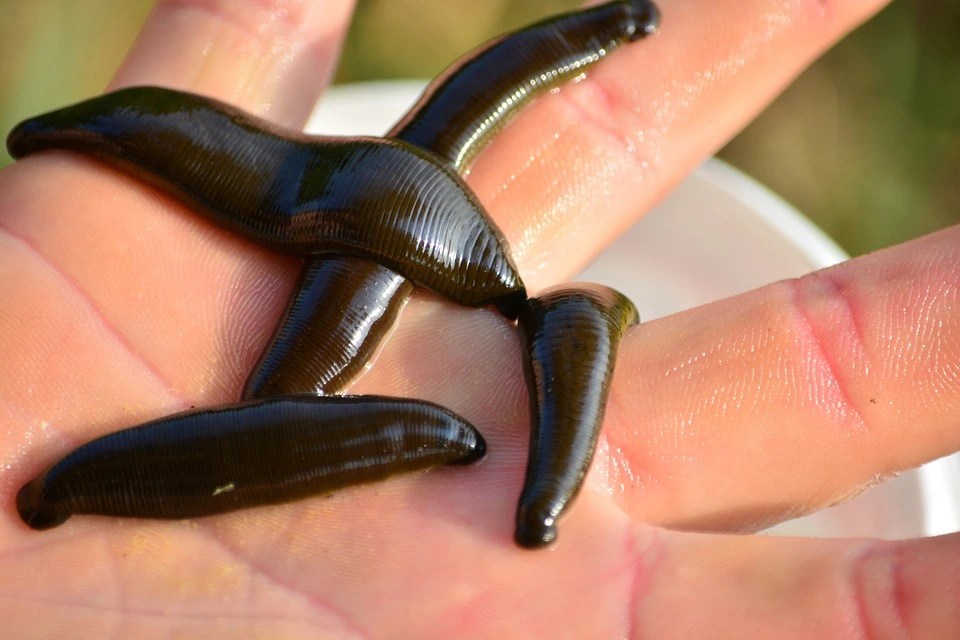
An ancient therapy for circulatory complaints celebrating a revival – Blood-letting with leeches

As part of the ancient ‘mainstream’ medical practices that have existed since antiquity, Hirudo-therapy, as a form of blood-letting to cure patients of ailments and diseases, has, throughout the millennia, been used to treat almost any infliction with illness. Only with the birth of what we today define as conventional medicine, has the medicinal use of leeches as therapeutic agents fallen into oblivion. Until then, leech-therapy was widely spread across Asia, Africa, America, the Middle-East and Europe.

Although never quite lost in the CAM realm, in more recent times, conventional medicine has instigated a revival of this ancient treatment practice, having found evidence of its efficacy for diverse diseases, such as circulatory and cardiovascular disorders, cancer, infectious and inflammatory diseases, arthritic and rheumatic processes, for surgical interventions, as in replantation and breast augmentation surgery and, yes, as anti-aging and cosmetic treatment.

Varicose veins, thrombosis, hypertension and coronary artery disease, arthrosis, osteoarthritis, rheumatism and gout have found a benefit from the treatment with leeches. Ailments such as herpes zoster, otitis media, asthma, hyperlipidemia, ophthalmic diseases, septic shock, cerebral infarction, ovarian cysts, dental diseases, and wound-healing disorders are further indications for the treatment with leeches. 

The treatment with Hirudo medicinalis officinalis, the leech, generally sees the leech placed on the skin of the affected area, where it bites and sucks blood, in doing so, releasing a number of bio-active substances secreted from its salivary glands. Within the saliva of the leech are contained blood-thinners, anti-coagulants, vaso-dilators, enzymes, and amino-acids, to name a few. There are about 20 therapeutic ingredients in the saliva of leeches. Hirudin and Eglin are the two scientifically most investigated substances. Eglin is an anti-inflammatory and analgesic, and Hirudin an anti-coagulant, and anti-spasmodic.

The individual leech will suck around 10 to 20 ml of blood and will ‘fall off’ the site of the bite, when it has finished feeding, after 30 to 90 minutes. The bite-wound will continue bleeding for up to 12 to 24 hours, which is part of the benefit of the therapeutic blood-letting. A treatment will usually consist of an application of 2 to 6 leeches.

Traditional Chinese medicine has yet another approach to leech therapy. The ‘Shui Zhi’ is used as an orally administered drug. The leech is dried and ingested for the treatment of blood stasis, uterine growths and traumatic injury. As a homeopathic remedy Hirudo medicinalis, is referred to as Sanguisuga officinalis. It is indicated for hemorrhages, in particular those of the rectum.

Today leeches are cultivated in farms. This is done for hygienic purposes, and due to the fact that the extensive use of leeches throughout the 18th and 19thcentury has made the medicinal leech become almost extinct. A leech is never applied to more than just one patient.

A look at its historic use almost commends Hirudo-therapy as a universal cure-all. Its importance in history, emphasized by the denotation of the physician as ‘leech’ and his materia medica as ‘leechdom’, shows just how leech therapy dominated the treatment of patients in the old days. The efficacy, increasingly supported by research, returns Hirudo-therapy into the conventional medical sphere, and at that brings with it great potential for a range of diseases.


References:

Michalsen A, Moebus S, Spahn G, Esch T, Langhorst J, Dobos GJ. (2002) ‘Leech therapy for symptomatic treatment of knee osteoarthritis: results and implications of a pilot study.’, Alternative Therapies, 8(5),[Online]. Available at:http://www.ncbi.nlm.nih.gov/pubmed/12233807 (Accessed: June 2016).

Bapat RD, Acharya BS, Juvekar S, Dahanukar SA. (1998) ‘Leech therapy for complicated varicose veins.’, Indian J Med Res., 107, pp. 281-284 [Online]. Available at: http://www.ncbi.nlm.nih.gov/pubmed/9701897 (Accessed: June 2016).

Hyson JM (2005) ‘Leech therapy: a history.’, J Hist Dent., 53(1), pp. 25-27 [Online]. Available at: http://www.ncbi.nlm.nih.gov/pubmed/15926663 (Accessed: June 2016).

Chinese Herbs Healing (2012) Chines Herbs Healing – Medicinal Leeches (Shui Zhi), Available at: http://www.chineseherbshealing.com/medicinal-leeches/ (Accessed: June 2016).

Zentrum der Gesundheit (2016) Blutegeltherapie – Eine tierisch gute Heilmethode, Available at: https://www.zentrum-der-gesundheit.de/blutegeltherapie.html (Accessed: June 2016).

Clarke, JH (2000) A DICTIONARY OF PRACTICAL MATERIA MEDICA – Sanguisuga, Available at: http://www.homeoint.org/clarke/s/sngs.htm (Accessed: June 2016).

A troubling souvenir no one wants – post-war trauma
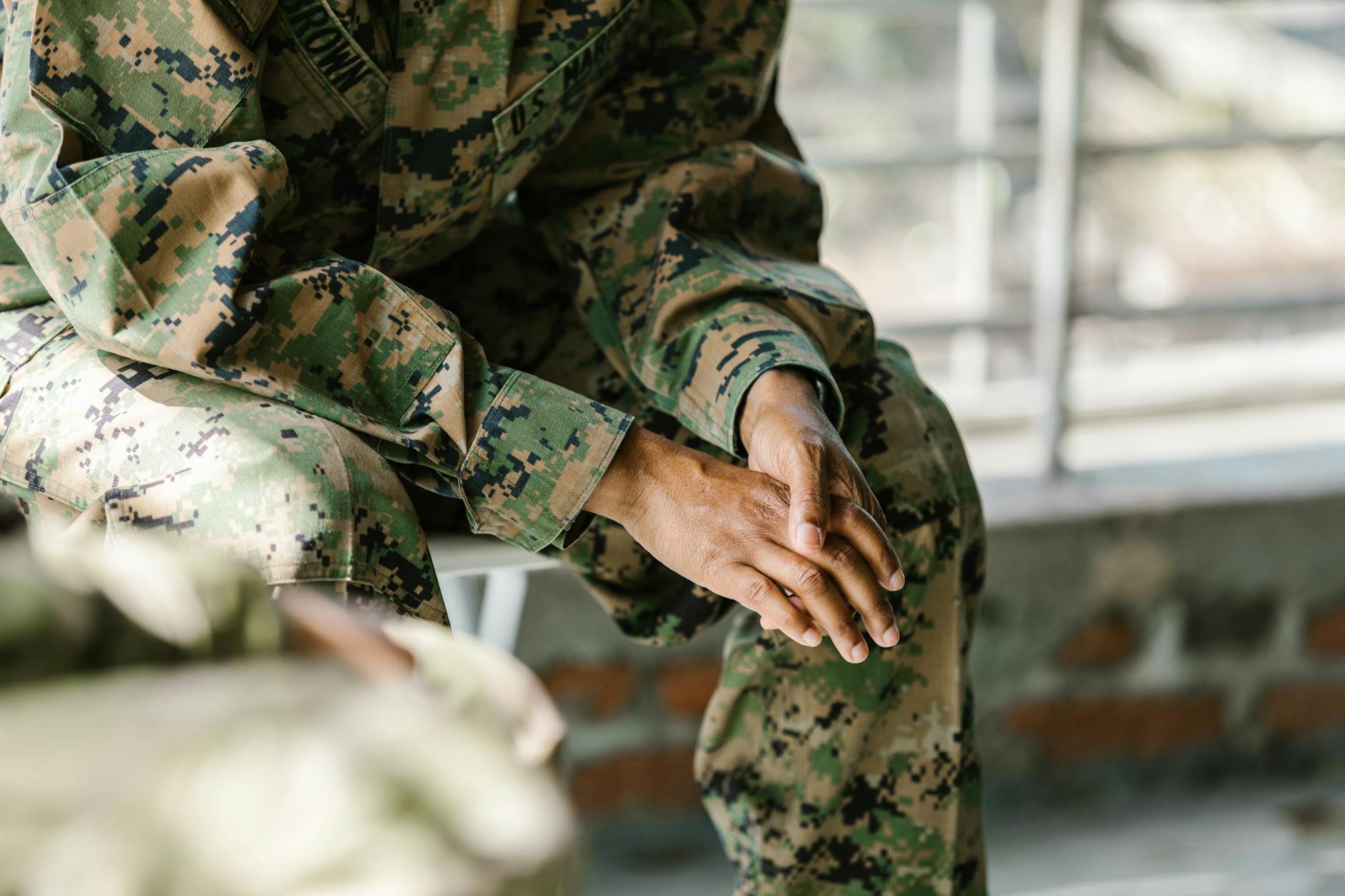
Combat related health issues are concerns that cannot and should not be ignored. While these are not complaints that only servicemen and women are ‘confronted with’, when returning home from deployment, they are also not always injuries to the physical body of the combat personnel. Many servicemen and women bringing home non-visual injuries.

Mental injuries and trauma are frequently ignored, by the sufferer, the care-provider and the society that army personnel returns to when coming home. Very often these complaints are also misinterpreted. Yet health issues such as anxiety and trauma disorders are increasingly becoming more prevalent. To date these complaints are insufficiently acknowledged, managed and treated.

PTSD, post-traumatic-stress-disorder, is the trauma issue that may evolve from the exposure to experiences of warfare, combat or terror. PTSD was first exhibited in Vietnam -War – veterans, but was only acknowledged and classified by the American Psychiatric Association as a mental disorder in 1980. Increasing numbers of military personnel exhibit symptoms associated with their experiences during deployment to war zones and engagement during battle.

These are not occasional states of anxiety, but mental conditions defined by distress that prevents people from living a normal life. Characteristic for these types of anxiety and trauma disorders are persistent, overwhelming states of worry and fear. These phases can be disabling, and may appear unmanageable. Panic, phobias, compulsion, and depression may combine, leaving the individual unable to lead a normal life.

Conventional medicine uses medicinal and psychoanalytical approaches to assist individuals suffering of PTSD. However, ever increasingly holistic and complementary therapies are being used by patients to alleviate the symptoms of trauma syndromes. There is little research into the effects of CAM (complementary and alternative medicine) treatments for PTSD, but experiential reports offer promising testimonials of effectiveness.

The CAM therapies are holistic therapeutic approaches that consider the totality of patients, taking into account the physical, mental and emotional plane of patients, thereby achieving amelioration, and recovery of the individual as a whole.

Homeopathy for PTSD
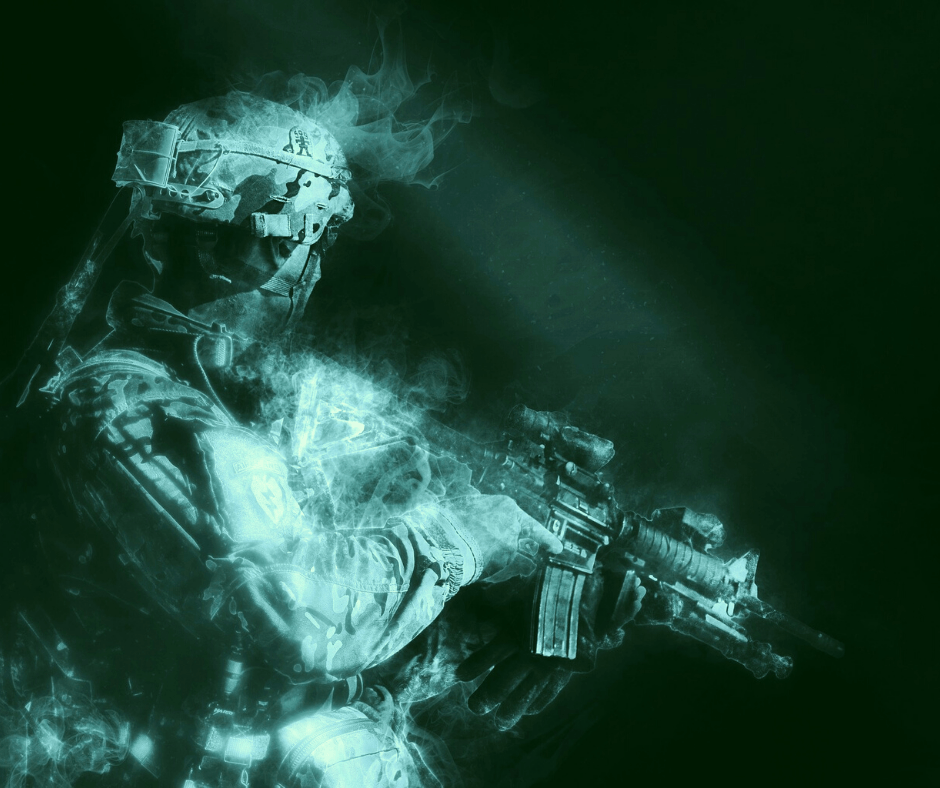
We are today at a time that sees a growing incidence of natural catastrophes, global terrorism, ongoing and potentially looming military conflict. The disasters of late and in particular the wars of the recent past have brought to the foreground frequently ignored, and often misinterpreted health issues. Anxiety and trauma disorders are increasingly becoming more prevalent.

One such particular ‘trauma’ issue is the so called PTSD, the post-traumatic-stress-disorder. This trauma, related to the experiences of warfare, combat and terror was first diagnosed in Vietnam -War – veterans and was only acknowledged and classified by the American Psychiatric Association as a mental disorder in 1980. Its introduction was controversial yet “filled an important gap in psychiatric theory and practice” [3, n.p.]. With this, it was for the first time, acknowledged that trauma could be produced from an external causative factor, and was not an immanent shortcoming of the particular patient showcasing the specific set of symptoms [3].

Continue reading “Homeopathy for PTSD”