
Avoiding injury and boosting performance

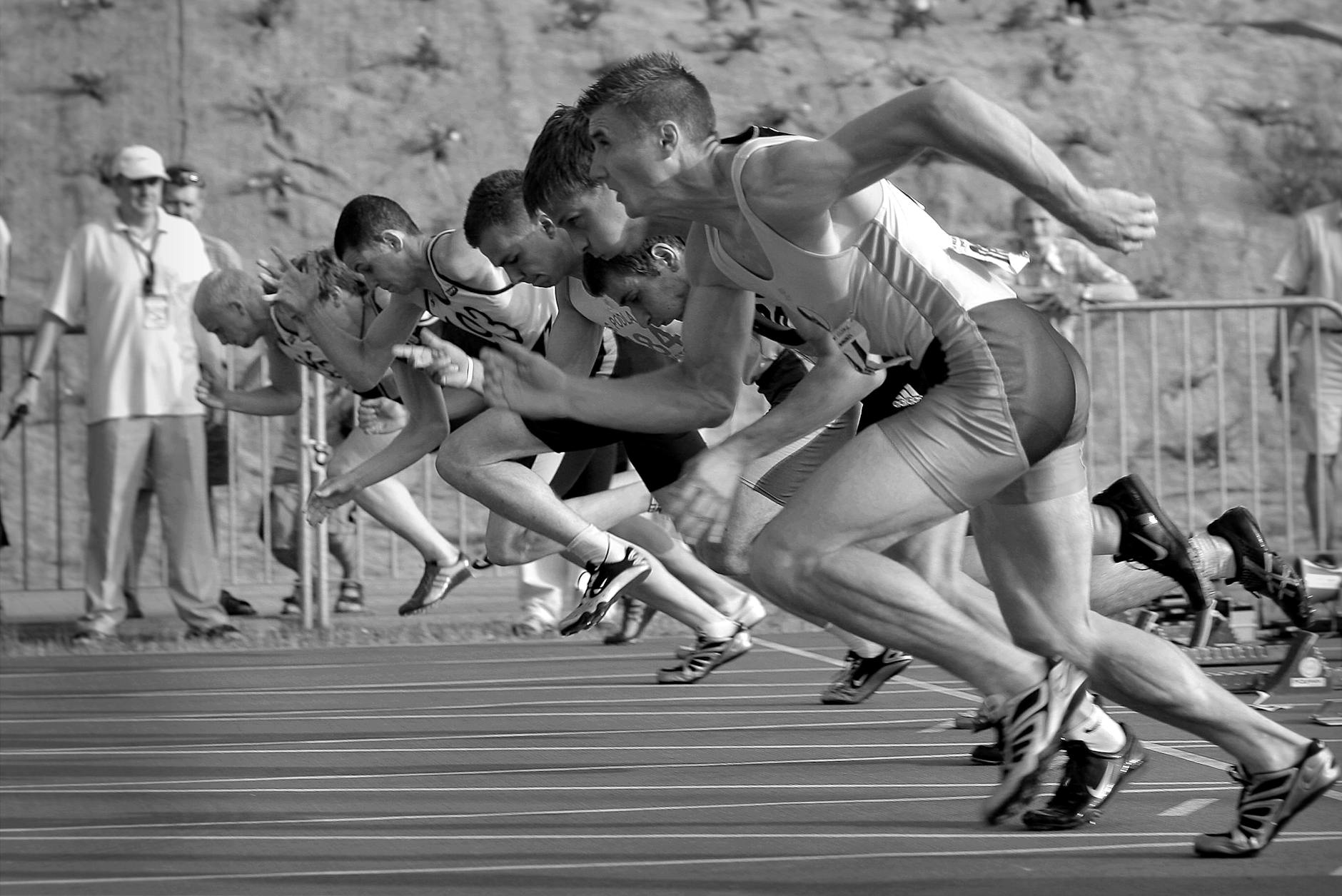
Despite the prevailing criticism towards homeopathy, and much to the dismay of sceptics, advocacy for homeopathic treatment comes from an unexpected domain. Within the mother of all male sports disciplines – football – homeopathic treatment is becoming increasingly popular. Especially in Germany there is an extensive use of homeopathy in professional football. A survey conducted in 2008 among the football teams of the 1st and 2nd division of the Bundesliga (professional association football league in Germany), produced surprising results: 92% of the teams treat their players homeopathically (Meyer, 2008). This is an astonishing statement considering the persistent opposition that homeopathy is regularly subjected to. Yet it is not surprising why and how homeopathy can lend itself well to the treatment of the active sports man or woman. 

Avoiding injury & boosting performance

In professional sport, the timetable of tournaments dictates the athletes’ duration of recovery from injury while, at the same time, team-coach and club-managers demand the onset of peak performance at every match or competition (Schmaranzer, 2009). Homeopathy, as a therapeutic approach without side effects and lacking the doping restrictions that bind conventional treatment (Yarrow and Strauder, 2008), is therefore becoming increasingly more important. In a world where sport has become a financially potent business, an athlete’s physique, aptitude and general health may be a monetary factor, and the athlete needs to be closely monitored in terms of prevention, performance and recuperation. 

The few studies and trials into the homeopathic treatment of sports injuries have investigated the efficacy of homeopathic remedies for the diverse injuries that may be contracted during physical exercise. These have concentrated on single remedies such as Arnica and Rhus toxicodendron, or the complex preparation Traumeel (Mittelstadt, 2009). 

Is Homeopathy – a legal form of doping?

It is interesting that little if any attention, in clinical research or literature, has been paid to the use of homeopathic prescribing for the purpose of enhancing performance, despite this being a major objective in professional athletics and sports where players are continuously driven to peak at their performances. Conventional approaches to treating the professional athlete are affected by doping legislation and the practice of fair play. Therefore, surely, new alternative methods devoid of restriction to promote athlete efficiency would appear of interest. 

According to the world anti-doping agency (WADA), the concern is not that homeopathic remedies might breach doping regulations, as the concentration of active substance is so small, but rather the lack of labelling of the carrier ingredients and of the chemical composition of the active components of the remedy that may concern the doping authorities (www.wada-ama.org). Furthermore the question arises whether a homeopathic remedy that contains traces of substances listed as prohibited by the doping associations is still forbidden, even in the form of a homeopathic prescription (Schmaranzer, 2009).

HEEL, the manufacturer of the complex remedy Traumeel, which is indicated for joint and tissue inflammation and traumas, has had its preparations tested by an independent toxicological institute for compatibility with doping legislation. The institute concluded that HEEL formulations do not breach doping regulations as their products are made with homeopathic remedies of the potency 6X or higher, and these potencies are not effective in generating a doping effect (www.traumeel.com).

Advocates of homeopathic performance enhancement view this potential of homeopathic remedies as a means of unleashing athletes’ most inner strengths, permitting them to use their capacities to a fuller extent (Laubender, 2005). An appropriately selected homeopathic remedy may remove constitutional frailty and may harmonise the mind. Performance enhancement, therefore, may mean ‘regulation and optimisation of physical functions and disengagement from mental disturbances’ which means homeopathy could be seen as a legal form of doping (Laubender, 2005).

Can Homeopathy be used as prophylaxis?

Clinical research into homeopathy has primarily investigated the efficacy of highly diluted and succussed remedies as tools in the aid to recovery. Very little research has been conducted investigating the effectiveness of a homeopathic prescription with the aim of ameliorating the performance of the athlete or of preventing a possible injury or illness through future physical exercise (Mittelstadt, 2010). 

Two fundamental aspects of homeopathy may account for this lack of research into homeopathy’s efficacy as an enhancing or prophylactic agent. Employing homeopathic remedies for these purposes largely digresses from the doctrine of classical homeopathic treatment. In fact it opposes the homeopathic principle of individualisation and instead promotes a generalised prescribing. In aphorism #82 of the Organon (Hahnemann, 1974), Hahnemann teaches us that the patients’ individuality is of prime importance in the identification of a remedy that is aimed at healing the patient rapidly, gently and permanently (aphorism #2). Yet to administer a remedy in the absence of disease symptoms, and to give this remedy in a generalised ‘one size fits all’ manner, without taking into account patient specific aspects, contradicts homeopathy and reflects an allopathic approach to prescribing (http://nationalcenterforhomeopathy.org).

Although this is a controversial issue, it has been proven that homeopathic remedies may act beneficially, even if a selected remedy is given prophylactically to numerous healthy individuals in the absence of disease symptoms. Aphorism #102 on genus epidemicus provides us with a possible justification for prophylactic prescribing.

Studies and trials on the homeopathic prevention of injuries are scarce. Most information on prophylactic homeopathic prescribing is experiential and anecdotal and largely not associated to sports. Only one study was found that investigated the efficacy of the preventative action of homeopathic remedies for sports related injuries. Sao and Delaunay (1983) conducted a study with the aid of a Karate team. They split the team into treatment and placebo group, neither of which knew if they were taking the remedy or the placebo. The treatment group was given Arnica and China for ten days preceding a sports contest. On the eve of the contest the members of the treatment group received an individually selected remedy following a classical homeopathic case-taking. The study results showed that the treatment group had improved adaptation reactions, superior physical recuperation, and subjective symptoms were considered better than those of the control group. Whilst this is a study conducted with very few participants, as there were only 20 members in the team, the results may provide the grounds for further investigation into the preventative actions of homeopathic remedies. 

With regard to the homeopathic complex formula Traumeel a consensus – recommendation of leading sports physicians to multiple German national and league teams of diverse sports and athletic disciplines – suggests that Traumeel is an effective prophylaxis for durable sports activities that have a high burden on muscles and joints of the athletes (Steinbach-talk III, 2007). This complex preparation has in clinical trials been found to equal conventional NSAIDs in its efficacy for sports injuries and trauma (Birnesser H, Oberbaum M, Klein, P & Weiser M, 2004; Schneider C, Klein P, Stolt P & Oberbaum M, 2005; Schneider C, Schneider B, Hanisch J & van Haselen R, 2007), and has proven to be of greater patient tolerability than the conventional products (Schneider C, Schneider B, Hanisch J & van Haselen R, 2007).

As suggested above, the use of homeopathic prescribing for prophylactic purposes has been practised for some time in the prevention of illnesses other than those linked to physical exertion. Prescribing for other ailments, diseases and infections may also be of relevance to sportsmen and woman. The highly trained physique of the professional athlete who is subject to strenuous exercise and peak performances in a very costly business may become a monetary loss in times of sickness. Therefore, preventative prophylaxis for flu, cold and other infections is of high priority to clubs, their managers and team coaches. It is not just the absence of a player from actual games that may cost dearly if a match is lost, but also the consequence of missed training and loss of achieved performance levels that subsequently need to be regained. Homeopathic prescribing for the prevention of illness may indeed play a major role. 

Can performance be improved with homeopathic remedies?

One would have imagined that performance improvement is a major benefit of any approach such as homeopathy in the treatment of injuries. Yet, only one study has been found that investigated homeopathy and its efficacy on performance enhancement. The study by Barrois (1988), a randomised placebo controlled trial with 21 athletes, investigated the oxygen consumption of participants at a sports camp. Absorption of oxygen is directly proportional to the extent of physical exertion. The participants of the treatment group received homeopathic treatment for seven days. Placebo and treatment group had their maximum oxygen volume measured on day one and day seven. The homeopathic treatment consisted of a prescription of Arnica given daily before and following physical exercise; China was given once every two days and Natrium muriaticum was given in alternation with the remedy China once every two days. The result showed that in the placebo group there was no significant change, while in the treatment group there was a very significant improvement in oxygen volume consumed. Barrois (1988) concluded that upon completion of the trial the treatment and placebo group were two very different groups. He reasoned that a simple, not individualised, homeopathic treatment could significantly modify, in a much shorter time than would normally be required, the physiological characteristics of athletes. The subjective parameters that had been monitored were also reported to have improved. Athletes were less tired and concluded that they were less affected by muscular troubles; they also felt they could recuperate better from exercise. There have been no recent trials or studies that confirm Barrois’s results. 

Another account of the enhancement of performance in sports with
homeopathic remedies is reported by Kayne (1992) who refers to
Arsenicum album, tissue salts and trace elements having been
administered to a boxing team. Apparently the team succeeded at
subsequent contests following the regular ingestion of homeopathic
remedies. Kayne further mentions the remedies Vanadium, Ferrum
metallicum and Cobalt for the promotion of neural
responses. Kayne’s description is vague and he states no research
in support of this report.


Materia medica

The above trials and reports gave only examples of different remedies without giving indications as to why the selected remedies may be applicable as a means of preventative prescribing or promoting fitness. Below is a short summary of the sports-related correlation of symptoms to remedies as found in materia medica and literature.

Traumeel

Traumeel‘ has been used to aid recovery from sprains, strains, bruises, nerve pain, swelling, and post-surgical pain’, it is able to remove inflammation by producing an anti-inflammatory effect and is devoid of the adverse effects of conventional medicines for similar situations (www.traumeel.com).

Arnica

Arnica is the first remedy for trauma injuries and their consequences. The pain in extremities and body is as if beaten and bruised, and in the joints as if sprained. There is pain from overstraining (Boericke, 2000). There is muscular weakness in the neck, the back feels raw. In the upper extremities there may be the sensation of pins and needles. In particular in the knee there may be tenseness and strain, soreness and swelling. Pain is worse for motion (Clarke, 1994).

China

This remedy is indicated for all sorts of weaknesses but especially for those coming from the loss of body liquids. In sports this is most likely related to sweating. Exhaustion may be accompanied by headaches, pallor, faintness and extreme sweating. Pain is felt most in the extremities and joints, with a sensation as if there were spraining. Soft touch aggravates and firm pressure ameliorates. There is swelling and weakness in the joints (Boericke, 2000).

Natrum muriaticum

Fatigue and frailty according to Boericke (2000) are aspects of this remedy. Backache is ameliorated by firm pressure. There is weakness in the extremities that is particularly felt in the knees and ankles. Tension and stiffness of head and neck, shooting and tearing in the upper extremities with the feeling of pins and needles and prickling are part of this remedy according to Clarke (1994). Hips, thighs, knees, legs, calves, feet may all be affected by pains and spasms (Clarke, 1994).

Arsenicum album

There is ‘violent and burning pain in the back, powerfully aggravated by touch’ (Clarke, 1994). The pain may be cutting and may also be experienced between the shoulder blades; lying down ameliorates. Boericke (2000) states that pains are burning, and little strain leads to great prostration. There may be cramping and swelling, feebleness and heaviness in the extremities.

Vanadium

Boericke describes the actions of Vanadium as such: “Its action is that of an oxygen carrier and a catalyser, hence its use in wasting diseases. It increases the amount of haemoglobin, also combines its oxygen with toxins and destroys their virulence. It also increases and stimulates phagocytes” [18] (n.p.). In Clarks´ Dictionary of Practical Materia Medica [19],
Vanadium is termed “an energetic excitant of nutrition” with an “oxidant stimulating organic combustion” (p.1502).

Ferrum metallicum

Ferrum has stiffness of muscles that becomes ameliorated through slow movement. It is frequently indicated in pains of the heels and soles, the tibia and hip-joint [18]. The shoulder may be particularly affected with shooting pains and cracking in the shoulder and heaviness and weakness in the arms. The arms may have tearing and stinging at night. There may be feebleness in thighs and knees. The feet, joints and knees may have swelling and there may be spasms in the lower extremities, even in the soles and toes [19].

Cobaltum

In Clark [19], Cobalt is indicated for the characteristic symptom of “very pronounced backache” (p. 537), pain in the lumbar area, small of back and between the shoulders that is better for movement and reclining, and worse for sitting. There are stitching pains in the upper limbs; the wrist-joints in particular are involved. There is a bruised sensation in all limbs. Trembling and tingling may be perceived in the lower limbs, possibly accompanied by hot flushes along the legs, and the knees may be subject to excessive feebleness. 

Our materia medicas have many more remedies for the prophylactic treatment of sports injuries or for the enhancement of performance. In particular, from reports on practical experience, we know that the number of remedies that offer relief and recuperation of injuries acquired through physical exercise or exertion has grown well beyond the few types that have been subject to clinical trials and studies. The above trials and reports on preventative prescribing and the promotion of fitness are too few to be able to make definite statements on efficacy and application of prophylactic or enhancement prescribing. More research and experiential accounts from homeopathic practice are needed. 

Taking into account individualised characteristics of each patient is, as becomes evident by the approach to prophylactic prescribing, not always a prerequisite for a homeopathic prescription. This fact enables a broader spectrum application which allows for generalised, non-individualised, remedy selection and prescribing.

For the health conscious sportsman or woman, professional or lay athlete, sports related injuries can, like many other ailments, be treated with this gentle alternative approach, and are in fact becoming increasingly important in the quest to find a means of avoiding illness and of boosting fitness. In particular, in the professional field this is an already long established practice, as shown in the 2008 survey (Meyer, 2008). 

The conventional approach to health care is one that is not without flaws. The side effects to medication and the restriction by doping legislation confine the use of allopathic treatment. Homeopathy is therefore a valuable adjunct in the treatment of athletes.

World Anti-Doping Agency (WADA)

The World Anti-Doping Agency’s (WADA) mission is to lead a collaborative worldwide campaign for doping-free sport.

WADA was established in 1999 as an international independent agency composed and funded equally by the sport movement and governments of the world. Its key activities include scientific research, education, development of anti-doping capacities, and monitoring of the World Anti Doping Code (Code) – the document harmonizing anti-doping policies in all sports and all countries. WADA is a Swiss private law Foundation. Its seat is in Lausanne, Switzerland, and its headquarters are in Montreal, Canada.

WADA works towards a vision of a world where all athletes compete in a doping-free sporting environment. (http://www.wada-ama.org/)

References

Hahnemann S (1974) Organon der Heilkunst (2. Auflage) 6B Heidelberg: Karl F Haug Verlag.

Laubender (2005) Aktuell im Gespräch … mit Dr. med. Dr. med.dent. Eberhard Laubender über Homöopathie für Sportleraccessed 20 March 2010 at http://www.dzvhae.com

Meyer D (2008) EM-Profis setzen auf sanfte Medizin accessed 13 August 2009 at http://www.spiegel.de 

Mittelstadt U (2010) The homeopathic treatment of sports-injuries accessed 03 May 2012 at http://hpathy.com

NCH (2006) Homeopathic Prophylaxis: Fact or Fiction accessed 03 May 2012 at http://nationalcenterforhomeopathy.org

Schmaranzer I (2009) Homöopathie im Sport accessed 20 March 2010 at http://www.apoverlag.at

Yarrow A & Strauder D (2008) The Benefits of Homeopathy in Sports Medicine accessed 03 November 2009 at http://www.irishhomeopaths.com

WADA (2012) What about homeopathic products and alternative medicine? accessed 03 May 2012 at http://www.wada-ama.org

Sao V & Delaunay M (1983) ‘Médicine douce et sport dur: Un mariage heureux’ Homéopathie française, Vol.71

Steinbach-talk III (2007) Therapieempfehlungen aus der Sportmedizin accessed 03 May 2012 at http://www.schuster-pr.de

Birnesser H, Oberbaum M, Klein P & Weiser . (2004) The homeopathic preparation Traumeel S compared with NSAIDs for symptomatic treatment of epicondylitis accessed 17 January 2010 at http://www.helhetsmedisin.net

Schneider C, Klein P, Stolt P & Oberbaum M (2005) ‘A homeopathic ointment preparation compared with 1% diclofenac gel for acute symptomatic treatment of tendinopathy’ Explore Vol.1, No.6, article from Elsevier, accessed 08 November 2009 at http://sciencedirect.com 

Schneider C, Schneider B, Hanisch J & van Haselen R (2007) ‘The role of a homeopathic preparation compared with conventional therapy in the treatment of injuries: An observational cohort study’ Complementary Therapies in MedicineVol.16, article from Elsevier, accessed 08 November 2009 at http://sciencedirect.com 

Barrois D (1988) ‘Entraînement du sportif en homéopathie’ Homéopathie française, Vol.76 No.6

Kayne S (1992) ‘Homeopathy in sports medicine’ British Homoeopathic Journal, Vol. 81, 

Traumeel (2012) Mechanism of action of Traumeel on the inflammation process accessed 03 May 2012 at http://www.traumeel.com

Traumeel (2012) Traumeel: a natural medicine free of doping concerns accessed 03 May 2012 at http://www.traumeel.com

Boericke W (2000) Homeopathic materia medica last accessed 03 May 2012 at http://www.homeoint.org

Clarke J (1994) A dictionary of practical materia medica New Delhi: B.Jain Publishers Pvt. Ltd.

This article was first published: HIP Summer 2012
An ancient therapy for circulatory complaints celebrating a revival – Blood-letting with leeches

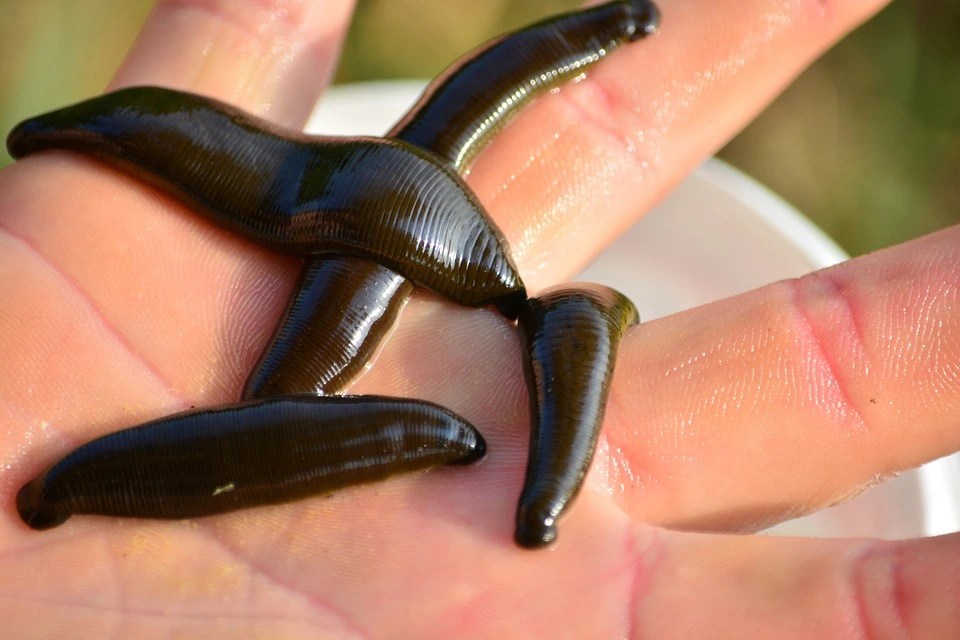
As part of the ancient ‘mainstream’ medical practices that have existed since antiquity, Hirudo-therapy, as a form of blood-letting to cure patients of ailments and diseases, has, throughout the millennia, been used to treat almost any infliction with illness. Only with the birth of what we today define as conventional medicine, has the medicinal use of leeches as therapeutic agents fallen into oblivion. Until then, leech-therapy was widely spread across Asia, Africa, America, the Middle-East and Europe.

Although never quite lost in the CAM realm, in more recent times, conventional medicine has instigated a revival of this ancient treatment practice, having found evidence of its efficacy for diverse diseases, such as circulatory and cardiovascular disorders, cancer, infectious and inflammatory diseases, arthritic and rheumatic processes, for surgical interventions, as in replantation and breast augmentation surgery and, yes, as anti-aging and cosmetic treatment.

Varicose veins, thrombosis, hypertension and coronary artery disease, arthrosis, osteoarthritis, rheumatism and gout have found a benefit from the treatment with leeches. Ailments such as herpes zoster, otitis media, asthma, hyperlipidemia, ophthalmic diseases, septic shock, cerebral infarction, ovarian cysts, dental diseases, and wound-healing disorders are further indications for the treatment with leeches. 

The treatment with Hirudo medicinalis officinalis, the leech, generally sees the leech placed on the skin of the affected area, where it bites and sucks blood, in doing so, releasing a number of bio-active substances secreted from its salivary glands. Within the saliva of the leech are contained blood-thinners, anti-coagulants, vaso-dilators, enzymes, and amino-acids, to name a few. There are about 20 therapeutic ingredients in the saliva of leeches. Hirudin and Eglin are the two scientifically most investigated substances. Eglin is an anti-inflammatory and analgesic, and Hirudin an anti-coagulant, and anti-spasmodic.

The individual leech will suck around 10 to 20 ml of blood and will ‘fall off’ the site of the bite, when it has finished feeding, after 30 to 90 minutes. The bite-wound will continue bleeding for up to 12 to 24 hours, which is part of the benefit of the therapeutic blood-letting. A treatment will usually consist of an application of 2 to 6 leeches.

Traditional Chinese medicine has yet another approach to leech therapy. The ‘Shui Zhi’ is used as an orally administered drug. The leech is dried and ingested for the treatment of blood stasis, uterine growths and traumatic injury. As a homeopathic remedy Hirudo medicinalis, is referred to as Sanguisuga officinalis. It is indicated for hemorrhages, in particular those of the rectum.

Today leeches are cultivated in farms. This is done for hygienic purposes, and due to the fact that the extensive use of leeches throughout the 18th and 19thcentury has made the medicinal leech become almost extinct. A leech is never applied to more than just one patient.

A look at its historic use almost commends Hirudo-therapy as a universal cure-all. Its importance in history, emphasized by the denotation of the physician as ‘leech’ and his materia medica as ‘leechdom’, shows just how leech therapy dominated the treatment of patients in the old days. The efficacy, increasingly supported by research, returns Hirudo-therapy into the conventional medical sphere, and at that brings with it great potential for a range of diseases.


References:

Michalsen A, Moebus S, Spahn G, Esch T, Langhorst J, Dobos GJ. (2002) ‘Leech therapy for symptomatic treatment of knee osteoarthritis: results and implications of a pilot study.’, Alternative Therapies, 8(5),[Online]. Available at:http://www.ncbi.nlm.nih.gov/pubmed/12233807 (Accessed: June 2016).

Bapat RD, Acharya BS, Juvekar S, Dahanukar SA. (1998) ‘Leech therapy for complicated varicose veins.’, Indian J Med Res., 107, pp. 281-284 [Online]. Available at: http://www.ncbi.nlm.nih.gov/pubmed/9701897 (Accessed: June 2016).

Hyson JM (2005) ‘Leech therapy: a history.’, J Hist Dent., 53(1), pp. 25-27 [Online]. Available at: http://www.ncbi.nlm.nih.gov/pubmed/15926663 (Accessed: June 2016).

Chinese Herbs Healing (2012) Chines Herbs Healing – Medicinal Leeches (Shui Zhi), Available at: http://www.chineseherbshealing.com/medicinal-leeches/ (Accessed: June 2016).

Zentrum der Gesundheit (2016) Blutegeltherapie – Eine tierisch gute Heilmethode, Available at: https://www.zentrum-der-gesundheit.de/blutegeltherapie.html (Accessed: June 2016).

Clarke, JH (2000) A DICTIONARY OF PRACTICAL MATERIA MEDICA – Sanguisuga, Available at: http://www.homeoint.org/clarke/s/sngs.htm (Accessed: June 2016).

Iberis Amara – A homeopathic remedy for specific arrhythmia

Iberis amara is a homeopathic remedy with major characteristic symptom expressions that make it specific for particular affections of the heart. It affects the muscle of the heart, the coronary arteries, the conduction system of the heart and the peripheral circulation. As such Iberis is indicated for cardiac and coronary insufficiency, arrhythmia (tachycardia), angina pectoris, hypertrophy, myocarditis and endocarditis.

The particular heart symptomatology includes palpitation that is instigated by the slightest of physical exertion. Closing a window, coughing, laughing, or turning over in bed may suffice to produce accelerated, irregular beating of the heart. During this episode the individual may experience the sensation of dull heaviness and dragging pressure in the region of the heart, and marked shooting, darting pains that are experienced as stabbing or stitching. These symptoms promote great anxiety in the patient and may cause associated feelings of fear and nervousness. There may be marked coldness of hands and feet, while the face may be flushed with a sensation of fullness about the head and neck. Cold sweat may develop on the face. The patient desires to sigh or draw long breaths.

The heart beats faster and stronger and the actual pulsation is visible over the cardia-thoracic area. The pulse is erratic or intermittent, tremulous and not well-defined while being full and strong. The hearts action may at first be weak and is then succeeded by an increased full and strong, irregular pulse rate of +/- 100.

Concomitant to the cardiac symptoms there may be anxiety, increased salivation, dyspnea, and shortness of breath, the feeling of constriction and oppression, as well as vertigo. The patient may experience persistent eructation and bloating with an increased frequency of passing soft stool from the ingestion of food and there may be associated digestive weakness. A choking sensation may be felt in the dry throat and there may be the feeling of pressure and pain in the region of the liver. Soreness, lameness and trembling may be felt in the extremities, particular in the upper left arm and hand.

The patient feels worse for turning or lying on the left side, at night or upon rising in the morning. Altering the resting position or placing a hand on the chest above the heart does not ameliorate symptoms.

Following such an ‘attack’ there may be an increased urge to urinate only scanty quantities, and the patient may feel a general soreness and lameness throughout the body.

An interesting aspect of the therapeutic picture of Iberis amara is its association with gastro-intestinal issues. While this is not an integral part of the homeopathic remedy picture, it is so of the Materia Medica as a phyto-therapeutic agent. Iberis has been found to have antispasmodic, anti-inflammatory, anti-flatulent and calming properties, which it exerts on the mucous membranes of the digestive tract. As such it has found inclusion in herbal complex preparations aimed at treating an irritable stomach, functional dyspepsia or the colon irritable, the syndrome known as IBS, and ailments of the digestive tract associated with abdominal discomforts such as cramping and pain, motility disruption, diarrhea or obstipation. One such complex preparation is ‘Iberogast’, which in some countries is known by the name ‘STW 5’, and contains a combination of 9 different herbs. Research however has come to conclude that it is in particular the combination of the 9 herbs together that promote the efficacy of the complex. Iberis amara alone has not been found effective for the above mentioned gastro-intestinal issues.

References:

Allen, T. (1877) The Encyclopedia of pure Materia Medica . Internet Archive [Online]. Available at: https://archive.org (Accessed: April 2017).

Boericke, W. (2004) Pocket manual of homeopathic materia medica and repertory New Delhi: B.Jain publishers Ltd.

Clarke, J. (1994) A Dictionary of practical materia medica New Delhi: B.Jain publishers Ltd.

DHU (1994) Homöopathisches Repetitorium  Karlsruhe: Deutsche Homöopathie Union.

Hale, E. (1897) Materia Medica and special therapeutics of the new remedies. Internet Archive [Online]. Available at: https://archive.org (Accessed: April 2017).

Hering, C. (1879) The guiding symptoms of our Materia Medica. Internet Archive [Online]. Available at: https://archive.org (Accessed: April 2017).

Madisch, A., Holtmann, G., Plein, K. & Hotz, J. (2004) ‘Treatment of irritable bowel syndrome with herbal preparations: results of a double-blind, randomized, placebo-controlled, multi-centre trial’, Aliment. Pharmacol. Ther., 19(), pp. 271-279 [Online]. Available at: doi:10.1111/j.1365-2036.2004.01859.x (Accessed: April 2017).

No name (1997) ‘Expertengespräch anläßlich der 51. Tagung der Deutschen Gesellschaft für Verdauungs- und Stoffwechselerkrankungen mit Sektion für Gastroenterologische Endoskopie’, Aerztezeitschrift für Naturheilverfahren, 38(2), pp. 146-149.

Rahimi, R. & Abdollahi, M. (2012) ‘Herbal medicines for the management of irritable bowel syndrome: A comprehensive review’, World Journal of Gastroenterology, 18(7), pp. 589-600.

Contusion – Homeopathy for a common sports-injury

One of the injuries most frequently acquired during sports is a contusion, so to speak bruising to the muscular tissue. While most such bruising is of little concern and will quickly resolve on by itself, more severe contusion that involves deeper lying tissue, may be a complication to athletes, causing them to have to refrain from any physical activity for quite a long time.

Damage to tissue beneath the skins surface may involve the crushing of muscles and connective tissue, and the rupturing of small, peripheral vessels, leading to the leakage of cellular fluids and blood into the surrounding tissue. The blue or blackish discoloration of the affected is a sign of such fluid leakage. The skin is usually not broken.

Contusions occur when an injury is produced by a direct, blunt, forceful impact to the body’s soft tissue, such as a blow, falling or jamming. At the located area there may be swelling and pain. There may be weakness and stiffness of the affected part. In some cases there may be the formation of a hematoma (blood collected at the point of impact that may be felt as a lump on the site of injury).

Complications to this type of injury are deep contusions impacting internal organs or bones.

Conventional 1st aid: RICE – Rest, Ice, Compression, Elevate; Medication for pain relief.

Major 1st aid homeopathic remedies for contusion are:

Arnica: For all types of contusion. Great pain relief remedy

Bellis perennis: Follows well after Arnica. Rapid onset of healing.

Hamamelis: Indicated where Arnica fails to do something.

However there are other remedies for such injuries: Aconite, Calendula, Conium, Echinacea, Hypericum, Ledum, Rhus tox., Ruta, Symphytum to mention a few.

References:

  • American Academy of Orthopaedic Surgeons (2016)Muscle Contusion (Bruise), Available at: http://orthoinfo.aaos.org/ (Accessed: June 2016).
  • Boericke, W. (2004) Pocket manual of homeopathic materia medica and repertory New Delhi: B.Jain publishers Ltd.
  • Clarke, J. (1994) A Dictionary of practical materia medica New Delhi: B.Jain publishers Ltd.
  • Morgan, Lyle (1988) Homeopathic treatment of Sports Injuries, Rochester: Healing Arts Press.
  • Walker, Brad (2007) The Anatomy of Sports Injuries, Chichester: Lotus publishing.
  • WebMD LLC (2016)Contusions Treatment & Management, Available at:http://emedicine.medscape.com/ (Accessed: June 2016).

Some Remedies that may be used to treat PTSD

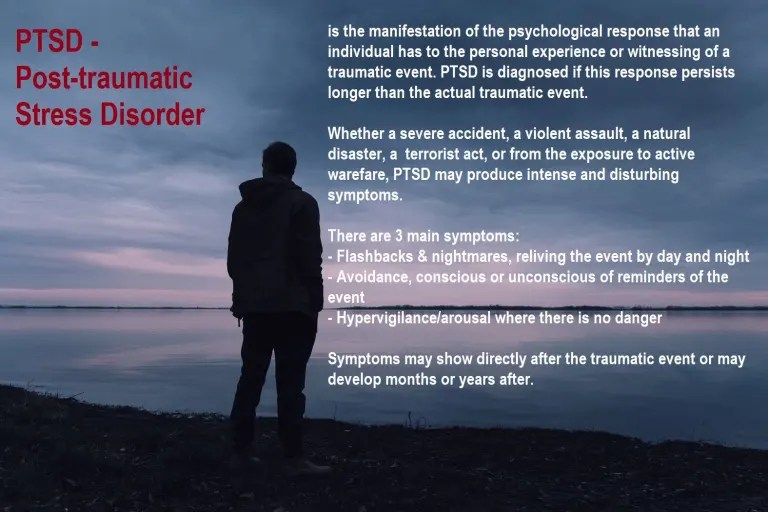
The symptom complex of PTSD, post-traumatic-stress disorder, exhibits a specific and individualized symptomatology. Homeopathy has a number of remedies at its disposal, with which this particular symptom complex and its individual expression can be treated. Some of the remedies that may be useful in treating PTSD are listed below.

Absinthium: The patient needing this remedy may experience nervousness and sleeplessness, has visions and hallucinations that are frightening and terrifying. The patient may have the urge to walk, distressed by the visions of all sorts of demons. He or she does not care whether he or she lives or dies. He or she does not want to engage with others. There may be a tendency to brutality and violence. This may alternate with stupor.

Aconitum:  There is great and uncontrollable anguish, fear and anxiety; irritability, sadness and gloom. Much worry, uneasiness and fear accompanies even ordinary sickness. He or she fears there will be no recovery from illness. He or she may predict the day of his death. There is nervousness and weakness. The individual may have fear to leave the house, of being in a crowd. Complaints may come from situations of fright or fear. In states of deliria the patient needing Aconitum is unhappy, worries, raves and despairs over the fearful anticipation of his or her death. There is sadness, maliciousness, a high disposition to anger, fear and conflict. There is a sensitivity to noise, a dislike of communication, a vexation over trifles. Great irritation, nervousness, restlessness and excitement are characteristic. A fear of spectres, the dark, forebodings and a tendency to start are also prevalent, as is the disposition to run away from the locality. Aconite is a short-acting remedy for the acute states.

Agaricus: This remedy is characterized by great changeability, irritability, and depression. There is a state of delirium with confusion of the mind. The individual wishes not to engage in communication with others.An indisposition to mental or other labour. There may be timid or violent mania with persistent delirium in which he or she recognizes no one and throws objects around. The individual is morose and stubborn.

Anacardium: This remedy has fixed ideas and hallucinations. He or she is easily offended; contradiction makes him or her furious. The individual expresses anxiety over somebody following him or her when moving about. There is deep melancholy and hypochondriasis. There is depression, sadness and despair over health. The patient is suspicious and distrusting. He or she can be malicious with an absence of moral restraint. Absent mindedness, dullness and sluggishness of mind may be prevalent. He or she may be hearing voices and may have hallucinations. There is anxiety, despair over the future, even fear of nearing death.

Anhalonium: In this remedy there is distrust and resentment. The individual is confused, and delusional.  There may be a depersonalisation taking place within the patient. He or she may be dissociated from his or her nearest environment. Likewise there may be over-identification with that environment. The feeling for time and reality is lost.

Ambra grisea: Ambra dreads the company of people and wants to be alone. He or she is shy in the presence of others. The individual can despair over life to the extent that he or she loathes life. He or she is restless, excitable and loquacious.  Concentration is difficult for this individual. There may be confusion of thoughts. He or she is ‘forced’ to dwell on disagreeable things. These things can be fantastic hallucinations images, grimaces, fancies, visions, or imaginations. They are annoying to him or her and keep the patient from sleeping. The company of others is experienced as disturbing. There is the feeling of embarrassment, with nervous excitement, flushing, and trembling. The individual imagines that he or she is losing his or her mind which causes melancholy, great sadness and despair to the extent that the patient desires to die. He or she considers life unworthy of living. Ambra is the distinctive picture of an individual who used to be a vital, vigorous and strong person, and since the causative experiences is a broken, nervous, quivering, trembling wreckage.

Arsenicum album: A remedy that is indicated for great anguish accompanied by restlessness. There is fear is of death, of being left alone. The fear is also accompanied by cold sweat. The individual takes no medicines as he or she thinks these are useless. He or she may have olfactory and auditory hallucinations, may be delusional with a tendency to mania and delirium. He or she is sensitive to confusion and disorder. These make him or her anxious, prostrated, fearful and restless. The restlessness keeps the person in movement. He or she does not stay still. As the individual may be of selfish character, lacking courage, being miserly may incline him or her to be malicious or suicidal. This individual may be extremely sad, melancholic, and such a state may make him or her weary of life, loathing it, wanting to die, and this character may actually commit suicide.

Aurum metallicum: The patient needing Aurum exhibits feelings of self-condemnation, utter worthlessness, deep despondency, and a deep disgust for life. These make him develop a tendency to want to commit suicide. He or she truly loathes life, is weary of it even desires to die. This is a deep depression, a profound melancholy that robs the individual of all that is joyous in his or her environment. He or she fears death. He is grumpy, broody, and extremely sensitive to noise and commotion around him or her. He or she cannot handle contradiction, is quarrelsome. He is a very dutiful character and sees criticism as consequence of a sin, a neglect he or she has committed. Therefore he or she thinks him or herself as unworthy of salvation. He or she is a pessimist, expects things to go wrong, and sees only the negative, never the positive. The future is negative; there is only trouble, turmoil ahead. This makes him or her irritable, worried, and easily angered.

Gelsemium: This is a remedy for the ill effects coming from the exposure to fear, fright, disruptive news or other emotional excitement. There is languor, dullness, apathy, lethargy, deliria. He or she wants to be alone, quiet; is irritable, sensitive, depressed. The individual cannot concentrate; the mind feels empty, dull. There is a strong tendency to suicide. This individual has the urge to throw him or herself out of a window or from a height.

Kalium bromatum: In this remedy there is a deep delusion of being morally deficient and of conspiracies building against him or her, feels singled out. Fears of getting poisoned, has frightful nightmares, horrible illusions, is depressed and melancholic.

Natrium muriaticum: In this remedy ailments are produced by mental disposition; anger, grief, fear and fright. The individual is irritable, tearful, sad, and even hysterical. He or she can get into a rage about trifles, and can be tragically moved about little unimportant things; can be inappropriately joyful. There is anxiety and anguish concerning the future. The individual prefers solitude to company, is unable to conduct regular intellectual work, is indifferent to his or her surroundings. Depression and melancholy induce recollection of unpleasant incidences. There are gloomy forebodings to him or her. Patients become tearful, yet attempts of consolation worsen the state. They fly into a rage easily and hold a grudge against people that have previously wronged them. There is weakness of memory, forgetfulness, and patients are tired of life.

Opium: Opium has frightful visions with fear, anxiety and uneasiness. The individual starts easily and is easily excitable. There is inquietude, irritability, and anxiety. There may be alternating phases with pleasant reveries. The individual may express symptoms of stupidity and imbecility. In delirium these individuals do not recognize their surroundings, cannot judge what goes on around them. Morphium (derivative of Opium): This remedy is one for states of shock that have been caused by experiences of terror. He or she is as in a dream-like state. Yet they may be irritable. There is a deep depression and the individual may be hysterical.

Nitricum acidum: This is a headstrong person, who can be hateful and vindictive. He or she may be indifferent to all. There is a sense of hopelessness and despair over his or her health. He or she fears death, yet is tired of life, and takes no joy in anything. He or she is obstinate, wishes not to be consoled; is depressed, sad. Great melancholy and fits of anguish are prominent. Can become enraged about trifles, curses, is obstinate and resentful. He or she is easily startled and frightened, sensitive to noise, touch and pain; weeps easily. This individual becomes angry over his or her own mistakes. He or she does not want to engage in communication with his or her surroundings. This person may have a great weakness of memory and intellectual capability and may be unfit to conduct work.

Stramonium: This individual can be deluded about who he is. He or she cannot be alone or in the dark. He or she needs company in an illuminated environment. There is rage, frenzy, fury, uproar, violence, and tumultuousness. He or she curses, is lewd and abusive in his or her language. There is fear and anxiety. Joy and sadness can alternate quickly. There are hallucination and delusion that the patient considers true and cannot release him or herself from. The sadness and melancholy of this remedy can be tearful and with great anguish. He or she is inconsolable, and trifles irritate much. The individual is obstinate, choleric, self-willed. He or she, in phases of fury, may be inclined to hit, bite and even kill. This is a mania caused by shock. The individual may be indifferent to matters at one time; feeling incapacitated at another, and may have the desire to run from it all.

*** This record serves as an illustration of what remedies are in use in the treatment of PTSD. The list is NOT exhaustive. None of the remedies should be used for self-prescribing. Please see a homeopath to identify the best matching prescription for you! Homeopaths have been trained to identify subtle differences in symptoms and remedy pictures and these subtle differences are important to identify the best possible remedy for a patient.***

References:

Abc Homeopathy (2017) Homeopathic Remedies, Available at: https://abchomeopathy.com (Accessed: 24th September 2017).

Boericke, W. (1999) Homeopathic Materia Medica. Homeoint [Online]. Available at: http://www.homeoint.org (Accessed: 24th September 2017).

Clarke, J.H. (2000) A dictionary of practical Materia Medica. Homeoint [Online]. Available at: http://www.homeoint.org (Accessed: 24th September 2017).

Cowperthwaite, A.C. (2003) A textbook of Materia Medica. Homeoint [Online]. Available at: http://www.homeoint.org (Accessed: 24th September 2017).

Guernsey, H.N. (2000) Keynotes to the Materia Medica. Homeoint [Online]. Available at: http://www.homeoint.org (Accessed: 24th September 2017).

Hpathy (2017) Materia Medica, Available at: https://hpathy.com (Accessed: 24th September 2017).

Kent, J.T. (2000) Lectures on homeopathic Materia Medica. Homeoint [Online]. Available at: http://www.homeoint.org (Accessed: 24th September 2017).

National Center for Homeopathy (2017) Materia Medica & Repertory Database, Available at: http://www.homeopathycenter.org (Accessed: 24th September 2017).

Homeopathy for Anxiety & Shock

What to do if things fail to go to plan, and troubling incidents, disturbing experiences or startling events cause disquietude, shock or feelings of anxiety?

Even worry can lie heavily on the mind, and may cause emotional upheaval and distress. In such cases it is good to know that there are homeopathic remedies at hand that may be helpful in calming the mind and easing the symptoms.

Below are a number of homeopathic remedies that can help restore balance where feelings and emotions related to anxiety or shock have disrupted the inner calm.

Aconitum napellus: In the event of sudden and very severe onset of a state, Aconitum is the first remedy to give. This can be the case where an incident shocks, or produces great anxiety, as for example following an accident, an injury, or an uncomfortable experience. Any event that happens without a warning calls for Aconitum. The individual is tense, anxious, greatly nervous, restless, excited and irritated. There is a disposition of the individual to want to walk away from the situation or place of anxiety.

Arnica montana: Arnica is indicated for the effects from mental strain and shock. As such also for shock that come from injuries, in particular those to the head. It is also a remedy that can be useful when someone is fearful of and easily frightened by nightmares, and when shocking incidents lead to nightmares. The individual may act gloomy, wants to be left alone, not to be talked to, not to be touched.

Gelsemium sempervirens: Shock, fright, fear or other emotional excitement, as from the receipt of bad news for example, can lead to ill effects, even physical ailments. There is great weakness, on the physical and mental level. Ahead of any challenges, upcoming exams or anticipated excitement, as for example in stage fright, the individual may exhibit symptoms such as weakness, an increased need to pass urine, diarrhoea and trembling. In this state it is difficult to think or concentrate. Quiet and to be left alone helps an individual most in such a case.


A common OTC remedy helpful in bringing about calm and ease to the mind is :

*Rescue-remedy: Rescue-remedy is not a homeopathic remedy. Rescue is the most widely known remedy of the Bach flower essences. A complex preparation of 5 different flower remedies: Impatiens, Star of Bethlehem, Cherry Plum, Rock Rose, and Clematis. This combination is an emergency formula intended to provide relief, and enable immediate treatment in cases of crisis, trauma and stress. It is indicated in states of impatience, frustration, agitation, shock, fear, and panic. As such it can be used to relief of anticipated fear, nervousness, tension, tantrums, confusion, or trauma. It relaxes, calms, lowers stress, and revitalizes. It is a distinct Bach-flower essence combination that can be purchased at health food stores. For directions of use, please consult the package insert!

Arnica – a must have homeopathic remedy the active individual (w. DD.)

One major remedy for the effects of sports-injuries or such afflictions caused by physical activity, external, or mechanical impact is Arnica. Trauma, bruises, or strains caused by heavy lifting, falling, or shock; concussion, contusion, sprains, or dislocation belong to this group. Hematoma, haemorrhage and wound healing, over-exertion and delayed-onset-muscle-soreness are also indicated symptoms, and Arnica has marked characteristics that match such affections.

One principal aspect pertaining to Arnica is the sensation of pain that feels as if beaten and bruised. The aggravation of Arnica symptoms occurs due to talking, blowing the nose, touch, jolting, movement and slightest noise. The Patient generally feels worse in the evening or at night. Humid cold disagrees with this patient. There may be fainting following a mechanical impact or injuries and there is a generalized decline of strength and fatigue, a battered feeling throughout the body. The entire body may feel painfully oversensitive. There is a general restlessness. The patient may be fearful and irritable.

There may be the sensation of heat and burning in the head with coldness of the body. The Arnica face may have pronounced redness, burning, heat, shining swelling and hardness of just one cheek. While the head and face are heated or hot, the body is cold. Arnica easily suffers of nose-bleed.

Where there is inflammation Arnica is indicated for over-sensitiveness experienced in the entire body, a feeling of being battered, pain, general restlessness, irritability and fear.

The sore excoriation of skin, swelling that is hot, hard and red, as well as frostbites react to Arnica. Joints feel as though they are sprained. Strains and Sprains show redness, pain and restricted mobility, and there may be swelling and heat of the affected part (also Rhus toxicodendron). Hematoma of the skin may be of discoloration red, bluish, yellow, green or black. For wound healing Calendula may be indicated besides Arnica. Topical applications of Arnica are indicated for localized injuries, scalds and burns, incisions, lacerations fractures and bruises and muscle soreness.

In concussion of the brain, the pain in the head is concentrated over one eye, and there may be vomiting that is greenish in color. If in such cases Arnica fails, Cicuta virosa may benefit the patient.

Back pain or straining of the back, or of the chest and loins may feel bruised or as of a dislocation. In injuries to the chest Arnica in alternation with Aconitum may be serviceable. There may be a sensation of rawness, and weakness of the muscles in the neck that cannot support the head sufficiently causing it to fall backwards.

The extremities may have symptoms of pain that feel as of a dislocation or as from great fatigue. Stiffness of the limbs, weariness and muscular jerking may be present after physical exertion. There is great soreness that may be paired with the acute sensation of tension and stretching in the lower limbs. The affected area, legs and feet, or joints may have a crawling or tingling sensation, or a prickling feeling from without inward. In the upper limbs, the joints, wrists, hands and arms may feel sore, as if sprained or dislocated, with a tingling sensation, pins and needles.

In the knee there may be tension pain, as of a contraction of the tendons, and failing strength in the knee-joint when walking, almost paralytic (also in the hip). The knee may be pale and swollen. Movement aggravates the pain. If the big toe is affected, it may be painful, hot, hard and swollen, leaving the skin shining.

In contusions there is a battered feeling, which may be paired with restlessness in contortion and sprain. Besides Arnica, Helianthus anuus may be of use in contusion. In dislocation and luxation there may be violent pains, swelling, and impaired mobility where the extremity is deformed or has an altered direction, here Aconitum may follow Arnica for relief pain. In tennis elbow Arnica is indicated, as well as Ruta. In fractures, Arnica may be followed by Symphytum and Ruta to promote healing of the broken bone.

References:

  • Beuchelt H. Praxis der wissenschaftlichen Homöopathie. Leipzig: Georg Thieme, 1949.
  • Boericke W. Homeopathic materia medica and repertory. Delhi: B. Jain Publishers Pvt. Ltd., 2004
  • Clarke J. A dictionary of practical materia medica. New Delhi: B. Jain Publishers Pvt. Ltd., 1994.
  • DHU (2011) Homöopathisches RepetitoriumKarlsruhe: Deutsche Homöopathie Union.
  • Laurie J. Elements of homeopathic practice of physic. [Internet] 2005 [cited 2013 December 22]. Available from http://quod.lib.umich.edu/h/homeop/
  • Millard H. A guide for emergency, containing the homoeopathic treatment… [Internet] 2005 [cited 2013 December 22]. Available from http://quod.lib.umich.edu/h/homeop/
  • Morgan L. Homeopathic treatment of Sports injuries. Vermont: Healing Arts Press, 1988.
  • n.a. (1880) The principal uses of the sixteen most important and fourteen supplementary homoeopathic medicines . archive.org [Online]. Available at:https://archive.org/details/principalusesofs00lond (Accessed: April 2016).

Gentle suggestions for heart and circulatory health

In order to maintain a healthy heart and blood circulation it is not wrong to occasionally take supportive measures. Sufficient movement in fresh air, moderate exercise, such as walking or swimming, or hot / cold alternating baths, are true restorers and preservers of a healthy heart and blood circulation. Proper hydration and healthy eating do the rest for good circulation.

But there are also other methods to support the system.

Red wine is good for you!

pic via pixabay.com
pic via pixabay.com

Scientific studies have repeatedly demonstrated that red wine is good for your heart! However, only in moderation! With a moderate consumption of red wine, which means no more than 150ml per day, such consumption can reduce the risk of heart disease by about 30%. The reason for this, researchers have found in the composition of the wine. The ingestion of flavonoids and resveratrol, the main constituents of the wine, results in dilation of the blood vessels and thus increase blood flow. Blood clotting is reduced and the formation of clots thereby limited. This in turn reduces the risk of heart attack and stroke. Incidentally, more recent studies have provided evidence that white wine too has these properties.

The Hildegard heart tonic

By Miniatur aus dem Rupertsberger Codex des Liber Scivias., Public Domain, httpscommons.wikimedia.orgwindex.phpcurid=1718595.jpg

Hildegard von Bingen (1098 – 17.09.1179) already ascribed a healing effect to red wine. The abbess recommended the ingestion of ‘Heart-wine’ to strengthen the heart and the revitalization the circulatory system. This recipe however, not solely consists of red wine, but is a concoction of wine, parsley and honey. The relaxing and calming effect of the Heart-wine potion on the cardiovascular system may, apart from the wine, come from the vitamin- and mineral- rich composition of the parsley, and the antioxidant properties of the honey. Together these ingredients cause the coronary arteries to expand, lower the blood pressure and strengthen the heart.

Hildegard heart-wine:

* 10 parsley stems

* 2 tablespoons wine vinegar

* 1 litre of red wine

* 200 – 250ml Honey

In preparing the wine, the parsley stems, vinegar and wine are placed in a pot to boil. The concoction should simmer for 5 to 8 minutes. Then the concoction should be strained and left to cool. The honey should only be added once the mixture has cooled to merely lukewarm. Adding the honey to the hot brew is likely to ruin the effective ingredients contained in the honey.

It is recommended to consume a liqueur-glass of this ‘Heart-wine’, up to three times a day, to relieve said heart problems, and strengthen the heart

Hawthorn – Crataegus

pic via pixabay.com
pic via pixabay.com

Crataegus is the Latin name for Hawthorn.

It grows as a low tree, rather a bush, whose white flowers bloom in spring. Its fruits ripen towards late summer and autumn, and are of a fiery red color. Hawthorn belongs to the genus of the rose family, and there are between 100 and 200 different species. It grows along roadsides and in hedges.

Its potential as a medicinal plant is focal on, in particular, the weak, and elderly heart. Accordingly, preparations of hawthorn are recommended for patients with decreasing cardiac output or cardiac insufficiency, the senile heart, arrhythmia, and the sensation of a narrowing or pressure in the region of the heart. Crataegus also has a stabilizing effect on blood pressure, and helps to regulate low and high blood pressure.

There is evidence that hawthorn promotes the contraction of the heart muscle and improves the hearts’ pumping force. The circulation of the coronary arteries is increased. The heart is thus strengthened and its efficiency increased.

A treatment with Crataegus can be drawn into consideration if the following symptoms are noted:

– Low exercise capacity

– General lassitude

– General rapid fatigue

– Palpitation, fatigue and / or shortness of breath after only slight exertion

There are no known adverse effects of taking Crataegus.

Circulatory complaints in the legs

pic via pixabay.com

When legs suddenly feel heavy or painful, when ankles are swollen, the leg cramps, and the skin shows discoloration or varicose veins, a circulatory issue is often the cause. In such cases the blood circulation in the lower extremities may be limited, and often some simple measure suffice to bring about relief. For example, movement, massage, stretching exercises, or elevating the legs may reduce the symptoms.

Other measures included the use of various creams and preparations, containing for example, Aesculus (horse chestnut) or Hamamelis (witch hazel). These may be taken into consideration in the prevention and treatment of such circulatory disorders.

In homeopathic form, Aesculus and Hamamelis may be used in low potency, for example 6X.

Aesculus is indicated if:

– The legs are heavy and tired.

– The skin on the legs feels tense, and swollen.

– The veins appear jammed or inflamed.

– This ‘Aesculus’ circulatory disorder is not necessarily painful.

– The patient has is a tendency to thrombosis.

Hamamelis is indicated if:

– There is a sensitivity to touch, pressure and heat.

– Varicose veins are painful.

– There is a prevailing feeling of exhaustion in the legs.

– The veins shine through the skin, in a dark bluish color.

– Water accumulates in the ankles.

Is Homeopathy something that can help with PTSD? The ‘Totality’ is key!

Homeopathy has to date been little investigated for its efficacy in the treatment of PTSD. However, states of anxiety, depression, panic, trauma, fear, irritability, sleeplessness, and mental and physical distress have long found relief by homeopathic treatment. 

Homeopathy is a medicinal treatment considered as complimentary to conventional medicine. It is tailored to treating the individual in all of his or her entirety, holistically, and not just a disease or its label.

Homeopathy treats the patient on all levels, the spiritual, the mental/emotional and the physical plane; on specifically those planes on which the symptoms of PTSD are manifest and expressive.

Homeopathy is considered a ‘gentle’ treatment approach as it’s remedies are produced by diluting and rhythmically shaking them at various stages of the production process. This renders their action gentle and increases their strength. Homeopathy is considered devoid of side effects and adverse reactions.

In the homeopathic consultation the patient is given the space for him or her to fully express how he or she feels, and how he or she experiences the symptoms of his or her complaint. The aim is to provide a comfort zone within which the practitioner is able to identify from the patients narrative and explanations, the remedy which best fits the presenting state of the patient.

Particularly within the symptom complex of ‘Post-traumatic Stress Disorder’, there is a ‘mind – body’ connection. It is not infrequent that sufferers of PTSD develop comorbid complaints to their diagnosis of PTSD, such as chronic physical pain, cardiovascular disease, gastrointestinal disorders and other health issues.

By considering the totality of the patient, taking into account the physical, mental and emotional presentation of complaints, Homeopathy can facilitate the reinstatement of well-being and the recovery of the individual as a whole. Homeopathy is one of the CAM therapies who´s action radius strongly recommends it for the treatment of PTSD.

Homeopathy is ‘gentle help’ for PTSD!